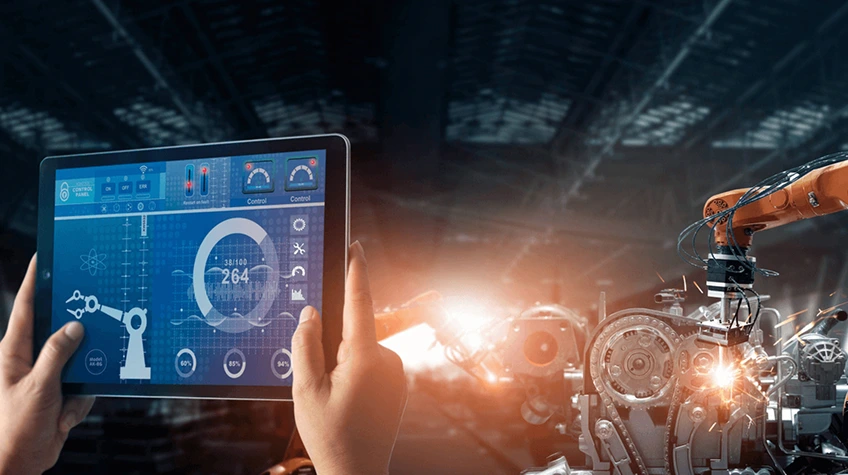
In 2026, industries are embracing the most advanced tools that integrate AI-driven analytics, IoT integration, cloud-native platforms and real-time data ecosystems. All these technologies are now helping industries to redefine the way they operate, scale and compete in the market. Each industry, including manufacturing, energy, infrastructure, logistics and others are now opting for cutting-edge software solutions that make operations seamless and scaling effortless. Additionally, they are also focusing on enhanced cybersecurity and data-backed decision-making for better, smoother and smarter workflows. And that’s when industrial software development comes in handy.
Industrial software development helps organizations with smooth , improved productivity and reduced operational costs. These future-ready solutions help them operate with ease in an increasingly connected world. If you are wondering what industrial software development is and how it helps in transforming businesses, then read this post. Here, we will walk you through the details of industrial software development. So, let’s get started…
First off, let’s understand why industrial software is important for businesses.
Industrial software solutions are very important in 2026 as they offer immense benefits; some of them are outlined here. Take a look…
These systems tremendously improve operational efficiency as they automate repetitive tasks and streamline workflows and operations.
They help businesses with enhanced productivity as with these systems businesses can optimize their processes and maximize their outputs.
Industrial solutions also help businesses with real-time insights with which they can make smarter business decisions.
Automating repetitive tasks leads to a significant reduction in manual errors, downtime and resource wastage, thereby helping businesses with reduced cost.
Industrial software enables businesses to scale seamlessly as their operational needs evolve, supporting growth with flexibility, efficiency, and improved performance.
Industry-specific software solutions offer robust protection against cyber threats, safeguarding sensitive industrial data and critical systems.
They are compliant solutions; they are made to meet industry regulations and safety standards.
A custom solution specific to industry needs helps boost innovation and improve market responsiveness.
These solutions use real-time data to spot issues early, cut downtime and extend equipment lifespan, leading to enhanced asset management.
Integrating different departments, systems and supply chains becomes easier for businesses with the help of industrial software.
Understanding Industrial Software Development
Industrial software development is the process of designing and maintaining software tailored for industrial environments such as manufacturing, logistics, energy, and automation. Unlike commercial software, these solutions are built with a deep understanding of complex operations, machinery, and process control systems, making them highly customized for specific industry needs.
These solutions help manage and optimize workflows, integrate with machines and sensors for automation, and ensure reliable performance. They are scalable, compliant with industry standards, and help businesses reduce downtime, improve productivity, and achieve smoother operations.
I. INDUSTRIAL SOFTWARE LIFECYCLE
The Industrial Software Lifecycle includes structured processes that are followed to create a custom software for specific industrial environments. These solutions are designed after gaining a thorough understanding of the industrial systems and processes. Hence, there is more rigorous and compliance-driven than a standard or commercial software. Here are the different stages of industrial software development, take a look…
1. Requirements & Stakeholder Alignment
The first and primary stage is to analyse all the requirements of software. This involves understanding operational workflows, machinery, safety standards and regulatory requirements. Stakeholders, engineers, and experts define the software’s features and technical requirements to make sure it meets industry needs.
2. Architecture & Platform Engineering
In this stage, a detailed system blueprint is created by design architects. It includes software architecture, hardware integration plans, security layers and scalability considerations. Design architects mainly focus on reliability, redundancy and real-time performance.
3. Development
Developers are building industrial software solutions using industrial-grade programming standards. The code that they create is future-ready and integrate easily with industrial hardware such as PLCs, sensors and control systems.
4. Testing and Validation
Industrial software undergoes rigorous testing. After development is complete, industrial software is tested for industrial settings. It includes functional testing, stress testing, performance testing and safety validation to ensure compliance and risk mitigation.
5. Deployment & Commissioning
After testing and validation, the software is deployed into the industrial environment and at the same time integrated with existing systems, machinery and enterprise platforms, such as ERP, MES and so on to ensure seamless configuration and minimal disruption.
6. Operation and Monitoring
Once live, the system is continuously monitored for performance, cybersecurity threats and operational efficiency. Real-time analytics help detect anomalies and prevent downtime.
7. Maintenance and Upgrades
An industrial software is then regularly updated and maintained to keep the systems secure and efficient at all times. Modern industrial software development companies even implement predictive maintenance strategies to help businesses with long-term reliability.
II. INTELLIGENT SYSTEMS INTEGRATION
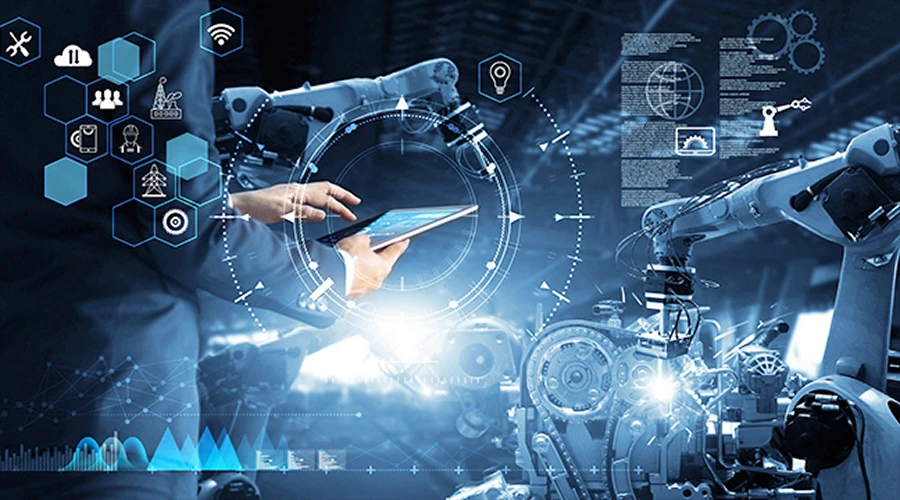
In 2026, industrial software development is more than just automation. Businesses are now opting for industrial software for intelligent systems integration. This simply means to connect to smart technologies, which include IoT devices, AI algorithms, machine learning models and advanced analytics. All these technologies are connected to a unified industrial ecosystem. Everything, from sensors to machines, controllers to enterprise systems integrate these systems for easy communication and data sharing. This seamless connectivity allows systems to automatically analyze data, detect patterns, make informed decisions and even trigger actions without constant human intervention. Intelligent system integration leads to enhanced automation, improved operational efficiency, reduced downtime and smarter decision making across industrial operations.
III. SECURITY & RELIABILITY BY DESIGN
Image Source Atruent
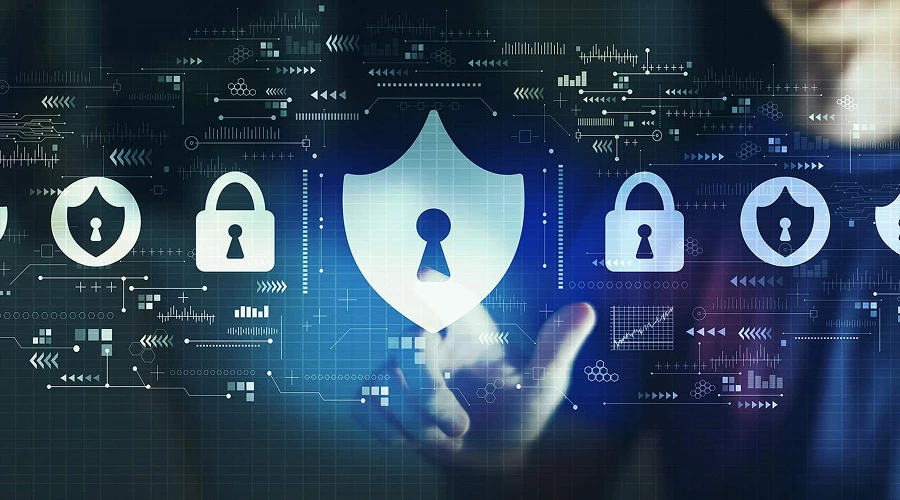
Security & Reliability by Design in industrial software development is the process of building systems that are secure and reliable. Design architects make sure that security and reliability features are integrated in the beginning of the designing of software for high-stake environments; rather than incorporating at later stages or at last. Doing so ensures that the industrial cyber security is intact. Industrial software provides protection from cyber threats, system failures and unexpected downtime. It includes secure coding practices, access controls, encryption, regular vulnerability testing and compliance with industry standards. At the same time, reliability is ensured through rigorous testing, fail-safe mechanisms, redundancy planning and real-time monitoring. All these ensure that the solution performs its best even under demanding conditions.
IV. FROM AUTOMATION TO AUTONOMY
Gone are the days when only automation mattered in industrial software development. Now, businesses are focusing on autonomy as well. Automation is where software controls machines and processes based on pre-set instructions. Whereas, Autonomy uses advanced technologies like artificial intelligence (AI), machine learning (ML), Internet of Things (IoT) and advanced analytics.
These technologies enable systems to learn from data, predict outcomes and make real-time decisions. Moreover, the use of advanced technologies significantly reduces human intervention. Example includes, designing a system that detects faults in equipment way before they occur or automatically adjust operations fitting to changing conditions. Autonomy is crucial in 2026 as it ensures smarter, more efficient and highly responsive industrial operations.
How Industrial Software Delivers Measurable ROI
Industrial software systems are designed to ensure improved operational efficiency, reduced downtime and optimized resource utilization across different processes. These solutions mainly help automate repetitive tasks and integrate insights from various industrial systems, including machines, sensors and enterprise systems. All these together lead to minimum human error and enable faster and smarter decision-making based on real-time data. Aside from that, integration of predictive maintenance capabilities in these solutions enhance equipment lifespan and present costly equipment failures and repair expenses, leading to improved ROI.
Besides that, integrating advanced analytics help businesses with actionable insights so that they can streamline production planning, inventory management and energy consumption. This again leads to cost saving for businesses. Additionally, improved compliance, enhanced cybersecurity and scalable system architecture reduce long-term risks and upgrade costs. Together, these benefits increase productivity, reduce costs, improve quality and speed up delivery, thereby leading to a clear and measurable return on investment for industrial businesses.
Common Barriers to Adoption in 2026
Even in 2026, businesses face challenges in adopting industrial software solutions. High initial investment remains a major barrier due to the cost of implementing advanced technologies like AI, IoT, and automation. Integration with legacy systems is another key issue, as outdated infrastructure often lacks compatibility with modern platforms.
Cybersecurity concerns also slow adoption, as increased connectivity raises the risk of cyber threats, making businesses hesitant about cloud-based solutions. Additionally, a shortage of skilled professionals and resistance to change further impact adoption. However, these challenges can be overcome with proper planning, strong leadership, and a clear digital transformation strategy.
Choosing the Right Technology & Partners
Choosing the right technology and partners is one of the most important steps in the successful industrial software development and implementation. The choice of right tools, platforms and collaborators ensure the creation of the most efficient and highly scalable solution. However, choosing the right partner and technology require careful evaluation of technical capabilities, industry experience, reliability and long-term support. Here are a few tips that you can consider when seeking industrial software development firm in India:
STEP 1: Be very clear about your business goals, technical needs, scalability plans and budget before you choose the right technology partner for long-term growth.
STEP 2: Do assess your industry’s compliance rules, security needs, integration requirements and performance expectations before you choose the industrial software development company.
STEP 3: Make sure to choose the right technology stack for creating reliable, scalable and secure solutions that integrate seamlessly with your existing systems and support automation.
STEP 4: Consider building a solution that can grow and adapt to changing business needs without needing a complete replacement.
STEP 5: Make sure the partner you choose follows strong cybersecurity practices and industry regulations to protect your data and systems.
STEP 6: Look for a partner with proven industry experience, strong technical skills and positive client feedback.
STEP 7: Select a partner who offers long-term support, regular updates, training, and proactive maintenance.
STEP 8: Make sure the partner you choose communicates and collaborates to build a transparent, aligned and successful long-term partnership.
The Bottom Line
So, this is all about industrial software development and its implementation in various industrial settings. In 2026, more and more businesses across industries are opting for cutting-edge solutions for their digital transformation. These solutions stand out as they combine most advanced technologies, including AI, ML, IoT and so on, providing businesses the leverage to operate more efficiently and intelligently. However, it is crucial to invest in the right technology and partner strategically. Doing so helps businesses streamline their operations, reduce costs and gain a competitive edge in today’s digital-first environment. All in all, industrial software development is important in this era as it helps businesses streamline their operations and have competitive advantage.
How Can WeeTech Solutions Pvt. Ltd. Help Businesses in Industrial Software Development?
WeeTech Solutions Pvt. Ltd. is a leading industrial software development firm in India, delivering cutting-edge solutions across industries. We build robust, scalable, and secure software tailored to unique business needs, supported by a team of expert developers, architects, and testers.
Our solutions cover the complete industrial software lifecycle, including IT-OT integration, cybersecurity, and legacy system modernization. By leveraging automation, IoT, real-time data, and predictive maintenance, we help businesses improve efficiency, reduce downtime, and drive digital growth.
FAQs
1. Is industrial software development different from regular software development?
Yes, industrial software development is very different from regular or standard software development. Unlike regular software, industrial software is built to handle critical operations. These solutions are mainly developed to integrate with industrial hardware, such as sensors, machines and others so that they can operate reliably even in demanding environments.
2. Which industries specifically opt for industrial software?
Industrial software development caters to various industries, including manufacturing, automotive, logistics energy, infrastructure, oil & gas, pharmaceuticals and so on.
3. Which are the main technologies used in industrial software development in 2026?
Main technologies that are used in industrial software include AI, IoT, ML, cloud computing, edge computing, advanced data analytics and so on. These technologies help brands with data-driven decision making, in addition to automation and improved operational efficiency.
4. What is predictive maintenance in industrial software development?
Predictive maintenance is the process of using real-time data and analytics to detect equipment issues early. Integrating predictive maintenance not only helps businesses prevent unexpected breakdowns but also extend equipment lifespan.
5. How do you make sure the industrial software solution is protected from cyber threats?
At WeeTech Solutions we build industrial software using strong cybersecurity frameworks, encryption, and compliance standards to ensure your data and critical systems are protected from cyber crooks.
6. Are industrial software solutions easily scalable?
Yes, modern industrial software solutions are designed with scalability in mind. They are designed to be easily scalable so that businesses can expand features and capacity as their business operations grow.