Have you ever asked yourself how your phone understands your voice, how shopping apps show items you may like, or how maps can tell the best route in just a few seconds?
In daily life, many such small and useful things work with the help of machine learning. It has become a normal part of modern technology, and many people use it every day without even thinking about it.
Machine learning is a method that helps systems learn from data and improve with use. It does not work like human thinking, but it can notice patterns, sort information, and give helpful results. This makes many digital tools more useful, more personal, and easier to use. From mobile apps to smart home tools, machine learning is now part of regular life in a very natural way.
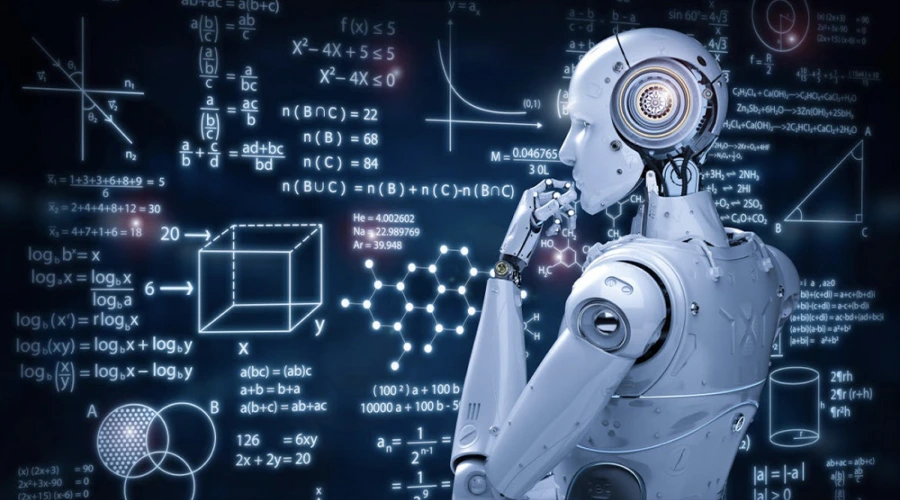
Machine Learning In Daily Digital Life
Image Source takeleap
Machine learning is already present in many common tools that people use from morning to night. It helps technology feel more useful and more in tune with daily needs.
➢Smarter Phones And Personal Devices
A simple example is the smartphone. When a phone suggests the next word while typing, improves a photo, or understands a spoken command, machine learning is often working in the background. It studies patterns in language, sound, and images, then gives quick and helpful support. This makes daily tasks smoother and saves time in a very practical way.
It also helps with things like face unlock, voice search, and photo sorting. If your phone groups similar pictures or makes albums on its own, that is a sign of machine learning at work. These features feel natural now, but they are based on systems that keep learning from data and usage.
➢Better Online Search And Recommendations
Search engines, video platforms, and shopping apps also use machine learning. When you type a few words and get useful results fast, that is not random. The system studies what people usually mean, how words are linked, and what may match best.
The same thing happens with recommendations. If an app suggests music, videos, clothes, or articles that fit your interests, it is often using machine learning to understand patterns.
This helps people find useful content without wasting time. Even services linked to Business broadband can use smart systems to support better usage tracking, service updates, and user-friendly digital tools.
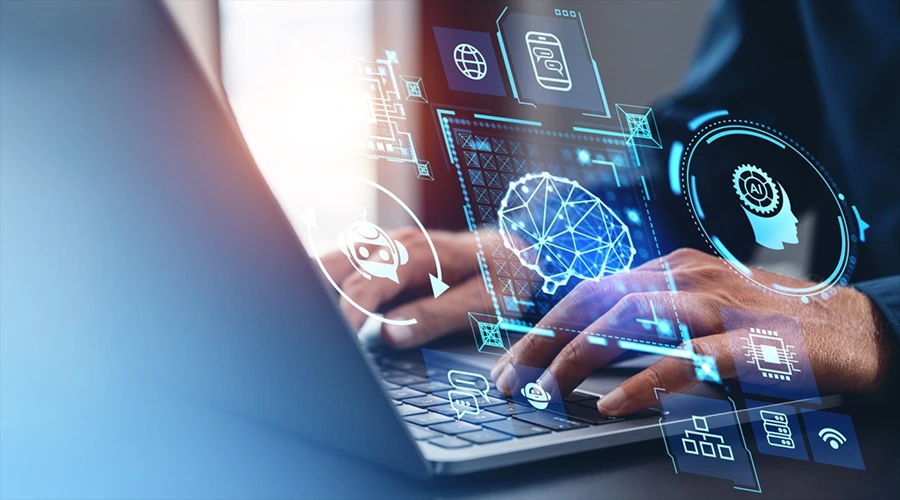
Machine Learning In Work And Services
Image Source Linkedin
Machine learning is not only for personal use. It also helps in offices, online services, and public systems. It supports faster work, cleaner data handling, and better user support.
➢Easier Customer Support And Communication
Many support systems now use machine learning to reply faster and understand common questions. Chat tools can read the message, find the topic, and share the right answer in less time. This helps people get support simply and directly.
Email tools also use machine learning to sort messages, suggest replies, and remove unwanted mail from the main inbox. In work life, this saves effort and helps people stay focused on what matters most. It is like having a smart helper that keeps things in order quietly in the background.
➢Better Planning And Data Use
In many sectors, machine learning helps people read large sets of data in a simple way. It can notice useful patterns, group similar details, and support better planning. For example, apps can study customer choices and help teams understand what users like most. This can lead to more user-friendly updates and better digital services.
This also helps in transport, health tools, finance apps, and education platforms. A learning app can suggest the next lesson based on user progress. A fitness app can suggest routines based on habits. A payment app can study normal activity and keep records better. These are useful and positive ways machine learning supports regular tasks.
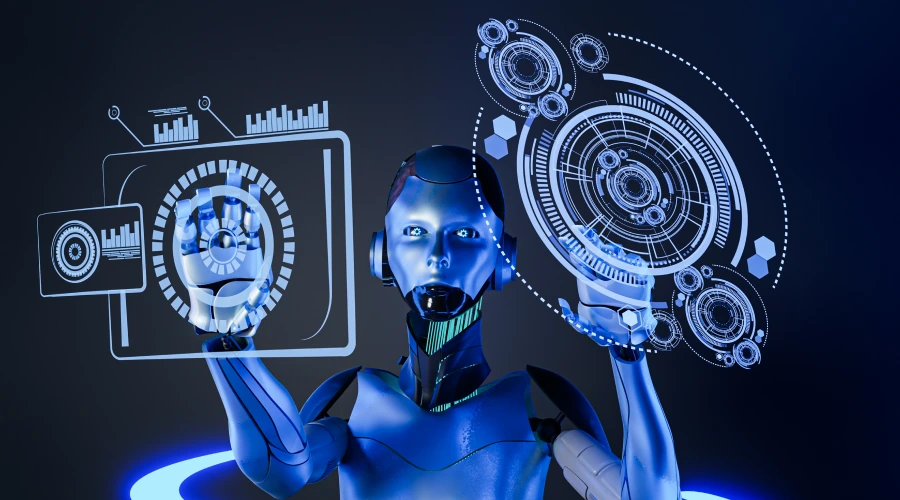
Machine Learning And The Future Of Everyday Technology
Image Source Freepik
Machine learning is growing step by step, and its role in common technology will likely keep growing in simple and useful ways. It is helping digital tools become more aware of user needs and more helpful in day-to-day use.
➢More Personal And Friendly Experiences
One big reason machine learning is becoming important is that it helps technology feel more personal. Apps can remember user choices, adjust settings, and suggest useful actions based on past activity. This makes the experience feel more natural and comfortable.
For example, reading apps can suggest topics based on reading style. Travel apps can suggest routes based on past trips. Food apps can suggest meals based on earlier orders. These small touches make technology feel more connected to real life and daily habits.
➢A Strong Part Of Modern Living
As more people use connected devices, smart apps, and online tools, machine learning will stay an important part of technology. It supports fast decisions, simple automation, and easy access to information. People may not always see it directly, but they often enjoy its results every day.
Conclusion
Machine learning has become a normal part of daily technology, and many people use it without even noticing. From phones and apps to online services and work tools, it smartly supports simple tasks. It helps save time, gives better suggestions, and makes digital tools easier to use in daily life.
As technology keeps improving, machine learning will continue to support more useful features that match real human needs. It is not something complex for users, but something that quietly works in the background to make things smoother. In the end, it is all about making everyday technology more helpful, more comfortable, and more friendly for everyone.