In 2026, businesses are using more advanced software solutions to ensure operational efficiency and stay competitive. These solutions are more sophisticated, which leads to great complexity. Moreover, there is an unsaid pressure to deliver faster while still maintaining uncompromised quality. In such a scenario, a well-defined and automated software testing strategy with comprehensive coverage comes in handy. Advance software testing tools ensure quality and timely delivery. As we move forward, a number of key testing trends are set to redefine the future of quality assurance. Check out this post for the top 12 software testing trends to watch in 2026. So, without any further ado, let’s get started…
Software Testing – What is it?
Image Source Best software training institute in Coimbatore
Software testing is one of the most important aspects of software development processes. Teams use various tools to ensure quality and performance of modern applications. These tools help teams test faster and more efficiently across the entire development process. They support different types of testing, including functional, performance, security and API testing. Most tools now integrate AI to automate tasks like fixing scripts, generating test cases and predicting issues. This significantly reduces manual work and errors and help teams achieve better coverage, quicker feedback, and more reliable results, resulting in smoother user experiences and stronger software.
Top 12 Software Testing Trends in 2026
Here are the top 12 software testing trends that you should be aware of in 2026. Take a look…
1. Low-Code/No-Code Test Automation
The low-code and no-code test automation is on the rise in 2026. Testers are now relying more on scriptless automation tools. They help create and execute tests without deep programming expertise. This not only democratizes testing but also allows QA professionals to focus more on strategic and creative aspects of quality assurance. The low-code and no-code test automation lead to faster releases, improved test coverage and a more agile testing process.
2. AI is Becoming a Natural Part of Quality Engineering
Artificial Intelligence is steadily becoming a core part of everyday quality engineering in 2026. With more and more companies now opting for advanced software solutions, advanced QA tools have now become an integral part of the testing process. Advanced testing tools come equipped with built-in AI capabilities that are designed to make testing faster, smarter and more efficient. The best thing about these tools is that they automatically generate test cases by analyzing requirements and user stories, detect and fix broken automation scripts without manual intervention, predict which parts of an application are most likely to fail and help identify the root cause of defects much faster than traditional methods.
3. Test Automation
Image Source Testim
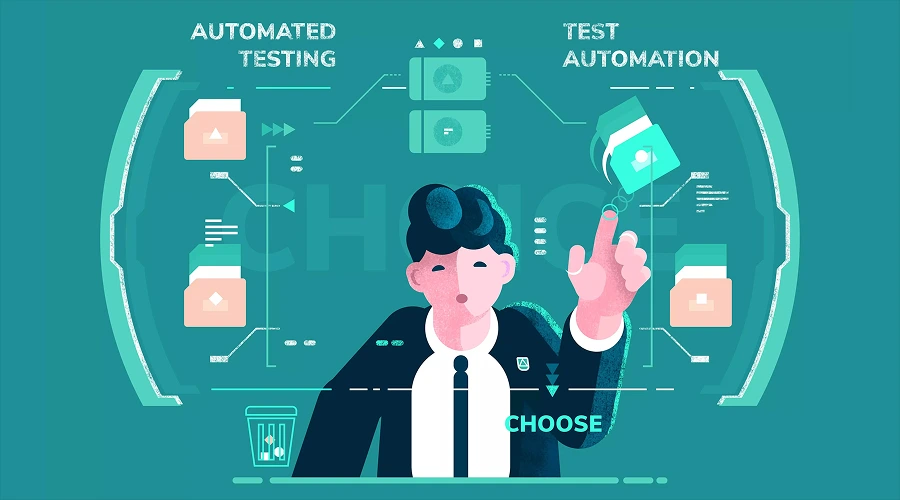
Test automation is expected to evolve in 2026. According to tech experts, automation will become more intelligent, more adaptive and far more accessible to a wider range of users in the coming years. Automation frameworks evolve by learning from past executions, continuously improving their efficiency and accuracy. At the same time, testing becomes deeply embedded within CI/CD pipelines, running seamlessly with every build to ensure consistent quality at every stage. The results? Reduced maintenance effort and tests remain reliable even in dynamic environments.
4. Predictive Analytics Testing
Predictive Analytics Testing is yet another major trend in 2026. Earlier teams used to rely on assumptions or guesswork. But now that’s not the case. Today, data is used for smarter testing decisions and strategies. Predictive analytics testing helps teams to identify high-risk areas based on recent code changes. Also, it prioritizes testing efforts, recognize patterns in recurring issues and ensures system performance and stability. This way, teams can focus on most important tasks, such as creativity, strategy and user experience.
5. API Test Automation
Image Source Information Technology Hashnode
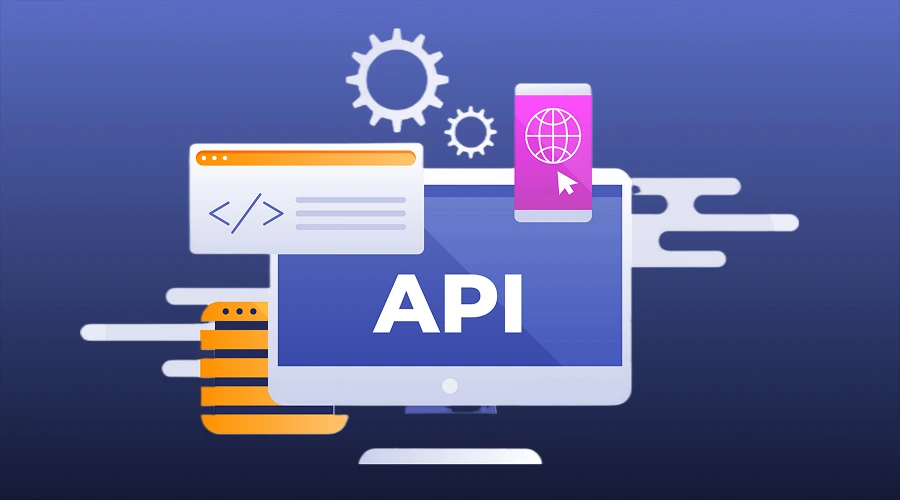
With the rapid adoption of microservices architecture, APIs have become an integral part of modern applications. Undoubtedly, they offer flexibility and scalability, but at the same time they also introduce multiple points of failure. In such a scenario, automated API testing comes in handy. It ensures that these integrations perform reliably, help teams detect issues early and maintain seamless communication between services.
6. Continuous Testing
Quality assurance becomes an integral and continuous part of the DevOps pipeline. Testing is no longer something that happens at the end of the cycle. Instead, it becomes a continuous activity that runs parallel to development. This means that maintaining quality is everyone’s responsibility instead of only testers at the end. Testing is done throughout the development process and is built into CI/CD pipelines, so tests run automatically with every code change. This makes finding and fixing issues a breeze for teams. Also, it allows them to release software faster without affecting quality.
7. Machine Learning in Software Testing
Machine Learning is also playing a crucial role in software testing in this age. Machine learning significantly reduces manual effort as it analyses past test results using data and smart algorithms. Besides analysing past data, it also finds patterns and helps predict problematic areas. Besides making testing process faster and more efficient, it also creates test cases, improves test coverage and updates broken test scripts automatically. This significantly reduces the time and effort for testers that they use on more important tasks like improving user experience, creating strategies and so on.
8. Internet of Things (IoT) in Software Testing
Internet of Things (IoT)is also increasingly used technology in software testing. All the connected devices, such as smartwatches, home automation systems, healthcare monitors and others require detailed testing, which becomes possible with IoT. It helps teams to check the quality, performance and security of these devices, ensuring all connected devices are communicating properly, responding quickly and working well in real-life conditions.
9. AR and VR in Software Testing
Augmented Reality (AR)and Virtual Reality (VR) testing is also gaining traction in this era. It helps businesses improve user experiences. AR and VR testing helps teams to ensure that all augmented and virtual reality applications are working smoothly and feel realistic to users. They are often used for testing responsiveness, accuracy of movements and overall user experience. Aside from that, these technologies are also used for testing how an app works in different devices and environments.
10. Robotic Process Automation (RPA) Testing
RPA is yet another software testing trend that is gaining traction in modern times. Today, more and more organizations are looking for ways to automate repetitive, rule-based tasks. Robotic Process Automation (RPA) testing comes in handy in such a situation. RPA testing ensures that software bots work correctly and perform tasks just like a human would do. This testing helps ensure that all bots function accurately in different scenarios.
11. Automation in Mobile Testing
Organizations are now coming up with feature-rich mobile applications, which are often complex. These apps are designed to work smoothly across different devices, screen sizes and operating systems. And that’s the reason automation in mobile testing is gaining traction in this era. AI-powered tools help teams check mobile applications quickly and efficiently. This significantly eliminates manual efforts. Moreover, automated tests run repeatedly, find bugs early and keep performance consistent with every update, thereby saving a lot of time and effort for teams.
12. QAOps
QAOps or integrating Quality with DevOps, is again a major software testing trend in 2026. It makes quality the responsibility of every person involved in the process of software development instead of only testers. In it testing is built into CI/CD pipelines and done throughout the development process. QAOps ensures tests run automatically with every code change. This helps teams find and fix issues early on, collaborate with other teams and release software faster without compromising on quality.
Why are the Latest Software Testing Trends Important?
The latest software testing trends are important for numerous reasons, including
These trends help organizations keep up with the fast-changing technology landscape.
Knowing these trends can help organizations meet user expectations.
Using latest tools and technology, teams can identify and fix bugs early on.
Latest software testing trends help teams improve efficiency, adopt smarter tools and deliver high-quality products faster.
These trends help teams reduce risks, avoid errors and enhance overall performance and security of the product.
By staying abreast of these trends organizations can remain competitive, improve customer experience and build reliable software that meets modern demands.
The Bottom Line
So, these are the top 12 software testing trends that modern organization, development teams and testers must be aware of. All of these software testing trends in 2026 are helping teams release apps faster and offer excellent user experience. These trends help make quality engineering more intelligent, agile and deeply integrated. From AI-driven automation and continuous testing to predictive analytics and mobile automation testing, these trends allow teams to be more creative at each stage of the development. They help build resilient, high-performing applications that deliver seamless user experiences. Organizations embracing these latest software testing trends are already gaining a competitive edge. They are able to deliver faster releases, improve product quality and respond more effectively to evolving customer needs. If you also want to harness these benefits, then start embracing these trends and be ready to deliver smarter, faster and more reliable software!
FAQs
1. What exactly is continuous testing and why is it important?
Continuous testing is the process of integrating testing at each stage of software development. It is important as it allows teams to run tests throughout the development process instead of doing it at the end. It allows teams to catch bugs early on and ensures faster and more reliable releases.
2. How does predictive analytics help in software testing?
Predictive analytics mainly focuses on the most important aspects. It uses past data to identify high-risk areas, prioritize testing efforts and reduce unexpected failures.
3. Why is mobile test automation becoming essential?
Increase in the number of smartphone users has led to mobile test automation. Ai-powered testing tools allows teams to find and fix issues early on and deliver releases faster. Automated mobile testing ensures apps work smoothly across different platforms, screen sizes and environments.
4. Why are teams relying on AI for software testing?
AI makes testing faster and smarter by generating test cases, predicting defects, fixing broken scripts, and helping teams identify issues early with less manual effort and that’s the reason it is becoming crucial. Moreover, it helps teams save a lot of time and focus on what’s more important.
5. Will AI be replacing human testers in the future?
Not exactly. AI will not replace testers in the future. In fact, many organizations are blending manual and automated software testing so that all repetitive tasks can be handled without human intervention and teams can focus on the important tasks, such as strategy, creativity, and user experience.