There is no room for static applications in this era. Businesses are now focused; they clearly know that they need to create applications that are easily scalable. In fact, scalability is one of the most important things to keep in mind when you plan to build a mobile application. Ignoring it can lead to performance issues, limited growth potential and costly rework as your user base expands. Building an app packed with great features but overlooking scalability can quickly become a problem as your user base grows. How will it keep up with the demand? After all, no one likes an app that slows down.
Scalable mobile app development is the new norm in this age. These apps are created keeping the growth in mind right from the start. If you want to know the key features of scalable mobile app development, then read this post. Here, we have rounded up a detailed list of the key features that can make an app truly scalable. So, without any further ado, let’s get started…
Understanding Scalable Mobile App Development – What is it?
Scalable mobile app development refers to the process of building an app keeping the growth in mind. These apps are designed in a way that they grow smoothly as more users start using it. Scalable mobile apps ensure fantastic user experience even after years. They are designed to handle increased traffic, data, and features without breaking down as your users grow. Users then don’t struggle with slow speed, crashes or constant fixes. Scalable mobile apps focus mainly on creating a strong foundation from the beginning so that the app can expand easily over time. So, if you plan to add new features, support more users, or expand into new markets in the future, a scalable app will let you do it seamlessly, while still delivering a fast and reliable experience.
So, what does it take to create a scalable mobile application?
Building a scalable application for mobile requires you to focus on the key features that are discussed in the next section.
Top 8 Key Features of Scalable Mobile Applications
Here are some of the most important features that a scalable mobile app MUST HAVE to stay at the forefront, even as user demands and market conditions evolve. Take a look…
1. Strong Architecture
Image Source iq170com
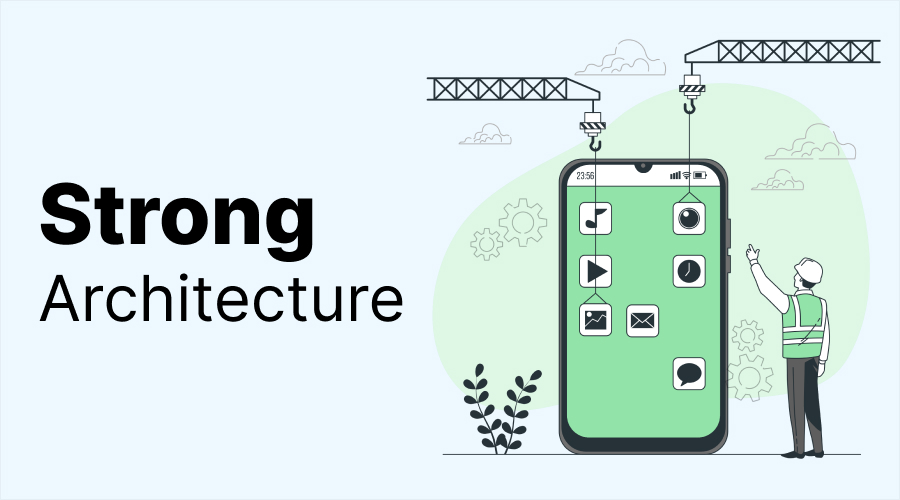
Building a scalable mobile application requires a clean, flexible and strong architecture. Architecture is the foundation of any app. And the foundation must be strong as well as flexible. Definitely, expanding your architecture later won’t be easy. Moreover, it will add to your cost significantly.
Designing a clean, well-structured architecture in the first place makes it easier for developers to update features, fix bugs and handle more users without breaking everything. In 2026, most developers will consider using modular or layered architecture. This architecture allows different parts of the app to evolve independently, while keeping things organized and future-proof.
2. Cloud-Based Infrastructure
Another key feature to make a mobile app truly scalable is cloud-based infrastructure. In 2026, businesses are hosting their apps on the cloud. Doing so gives them freedom and much peace of mind when users grow.
With cloud-based infrastructure, businesses need not to worry about servers. The best thing about cloud services is that they can automatically adjust resources to match demand as your traffic increases. This means that your app will remain stable and perform best even during peak usage times.
3. Efficient Database Management
Image Source Sapphire Software Solutions
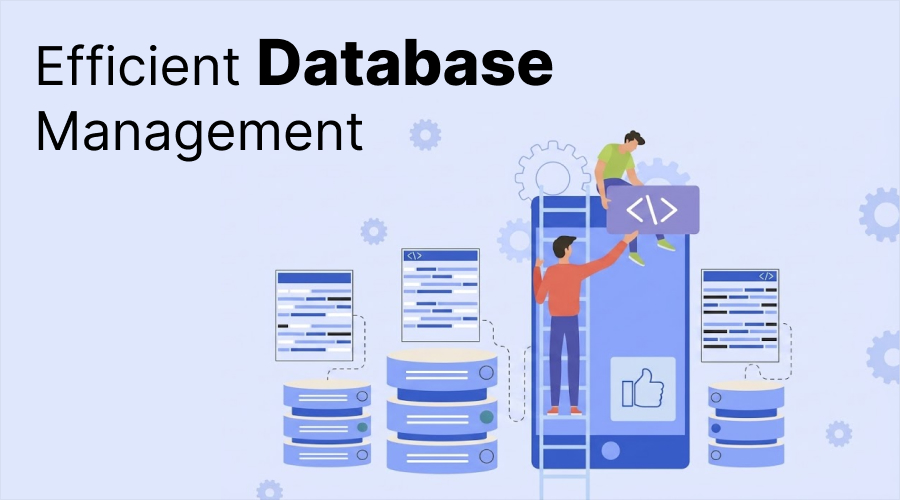
Database management is yet another most important aspect of scalable mobile app development. Of course, when your app grows, your data will also grow. Everything, from user profiles to transactions and media files will add up pretty quickly, making it crucial to efficiently manage them.
A scalable app uses a database system so that handling increasing data becomes a breeze without affecting the speed of the app. This usually includes optimizing queries, using caching and even splitting data across multiple databases. This ensures performance and speed even when the database increases.
4. API-First Approach
Unlike traditional applications, modern apps are connected with payment gateways, social platforms, analytics tools and more. That’s the reason most businesses focus on API-first approach. It ensures an easy integration of your apps with other services without any obstructions. Moreover, the API-first approach makes it easier to expand your app later. You can add a web version or integrate your app with new tools effortlessly with API.
5. Performance Optimization
Image Source Digital Bee Studio UAE
Performance optimization is more important than ever. Your users will never like a slow app. If your app slows down pretty frequently, users will not like it. Therefore, optimizing performance is crucial to ensure smooth functionality, faster load times and a seamless user experience as your app grows. Scalable apps ensure faster load times, smooth navigation and efficient use of resources. Developers use methods like lazy loading, image compression, and reducing background processes to improve app performance.
6. Strong Security Measures
Implementing strong security measures is very important in this age. Cyber crooks are always looking for new and innovative ways to exploit vulnerabilities, steal sensitive information and manipulate individuals or businesses for financial gain. Definitely with the growth of your mobile applications, cyber crooks will also be more interested in targeting your platform to exploit security gaps, steal user data, disrupt operations and gain unauthorized access to valuable business information. Therefore, protecting user data and preventing breaches becomes crucial.
This often includes secure authentication, data encryption, regular updates and monitoring for unusual activity. Remember that a secure app helps build trust, and with trust you can attract more users.
7. Continuous Testing
Image Source Codoid Innovations
In 2026, apps are not just made to be forgotten; they are meant to be updated, tested and improved on a continuous basis to deliver best performance. Scalable mobile app development makes it possible to update and test an app as it evolves. Regular testing helps catch issues before they impact users, especially when new features are added to it. In addition, continuously updating an app keep it compatible with new devices, operating systems and user expectations.
8. Analytics and Monitoring
Last but not least is to include analytics andmonitoring tools as they help businesses understand how users interact with their apps and identify problems before they turn major. Analytics tools come in handy in such a situation. They tools help you understand user behavior. Monitoring tools, on the other hand, help track performance and detect issues in real time. With analytics and monitoring, developers can track user behavior, app performance, crashes and loading speed. Using these insights developers can make well-informed decisions in order to improve the app experience. Also, it helps manage growing traffic smoothly, fix errors quickly and ensure the app performs well as more users start using it.
Putting it all together…
So, these are the key features of scalable mobile app development that every developer should be aware of. Scalability is no more optional in this era. Building your app with growth in mind is the wisest step in this age. Doing so helps save time, money and of course a lot of effort down the line.
Definitely, you cannot have everything perfect in the app in the first attempt; however, with scalability in mind, you can always improve, expand and adapt your app over time without affecting its performance or user experience. In simple terms, scalable mobile app development is really about thinking ahead. It entirely eliminates the approach of creating something for the presents only. It, in fact, focuses on building a tool that can keep up with your future growth. When your app has the right structure, performs better and includes room for expansion, you save yourself from all the pain that can otherwise come with frequent crashes, slow performance, costly fixes and limitations when your business starts to grow in the future. Thanks for reading!
Hopefully, this article has been informative for you and helped you understand scalable mobile app development key features!