API-first is a business philosophy. API design-first is a development process. We break down the difference, when to use each, and how to combine them for cleaner, faster, more scalable APIs. No theory. Just practical takeaways.
You’ve heard both terms. Maybe you’ve used them like they mean the same thing. They don’t. One is a mindset. The other is a process. Get them wrong, and your API strategy falls apart. Let’s break this down. No buzzwords. Just what you need to know.
What’s the Real Difference?
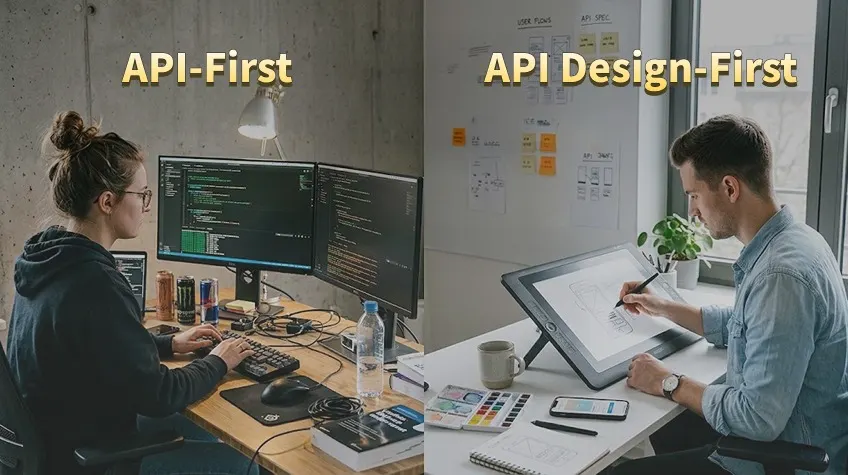
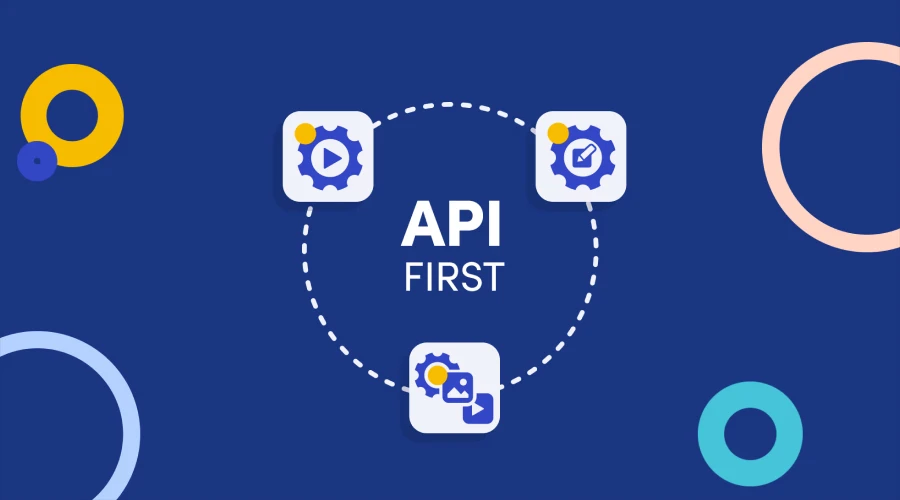
API-first is a business and development philosophy. It says: build your entire product around APIs. Treat APIs as critical assets, not afterthoughts.
API design-first is a specific workflow. It says: write the API contract before you write any code. Use OpenAPI or similar specs. Get everyone to agree on the design first.
Think of it this way. API-first is why and what. API design-first is how. Can you be API-first without strict design-first? Sort of. But you can’t really do design-first without being API-first in spirit. They fit together.
API-First: The Big Picture
Image Source Cloudinary
API-first means your API is the product. Not the UI. Not the database. The API.
Companies like Stripe, Twilio, and Netflix live this. They design their systems so every feature is accessible through an API from day one. Internal teams consume the same APIs as external developers. No special backdoors.
What that looks like:
You plan the API before the app.
You treat API changes like product changes (versioning, deprecation notices).
You measure API success like any other revenue driver.
Developers outside your company can build businesses on top of your API.
Why go API-first?
Parallel work. Frontend, mobile, and backend teams all start from the same contract. No waiting.
Reusability. Build an API once. Use it for web, mobile, third-party apps, internal tools.
Future-proofing. Need to add a new client? The API’s already there. No rewriting.
Better developer experience (DX). Good API-first companies provide SDKs, mock servers, and clean docs. Developers love that.
The catch?
It’s overkill for tiny projects. A weekend script doesn’t need an API-first strategy.
It requires discipline. You can’t let the backend drift from the contract.
It demands organizational buy-in. Product, engineering, and leadership all need to agree that APIs matter.
API Design-First: The Process
Design-first is a specific way to execute API-first, or just to build a single API well.
Here’s the workflow:
Gather stakeholders (devs, product, security, even clients).
Write the API contract using OpenAPI, RAML, or AsyncAPI.
Review the contract. Get feedback.
Mock the API using tools like Prism or Postman.
Generate documentation automatically from the spec.
Write code that matches the contract.
Test that the implementation still matches (contract testing).
Why design-first wins over code-first?
Less rework. Fix design flaws in the spec, not in production code.
Better communication. Business people can read a well-written OpenAPI file. They spot missing features early.
Safer parallel work. Frontend uses the mock while backend builds. No one blocks anyone.
Consistent APIs. One spec means one truth. No guessing what an endpoint returns.
The pain points:
Upfront effort. Writing a detailed spec takes time. Some teams hate that.
Learning curve. OpenAPI isn’t hard, but it’s another thing to learn.
Spec rot. If you don’t update the spec when code changes, the contract becomes a lie.
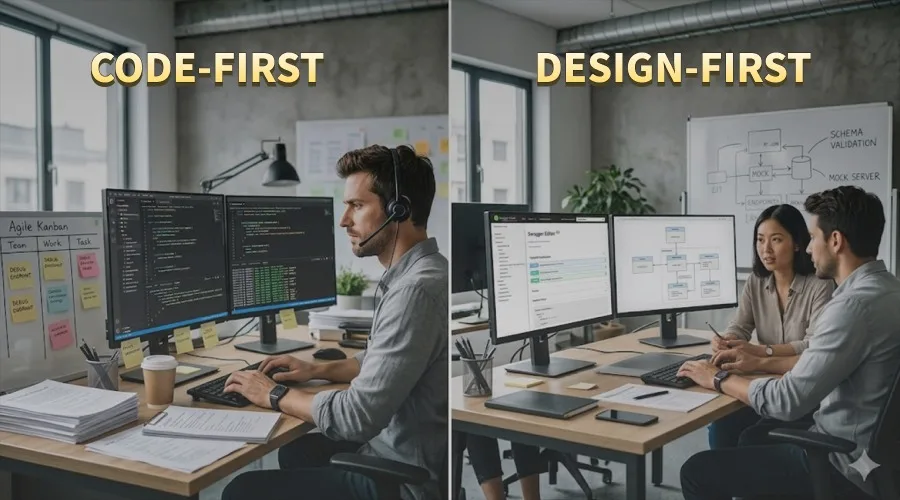
Head-to-Head: Code-First vs Design-First
Image Source gemini copilot
Most people compare design-first to code-first. Let’s settle that.
Code-First
Design-First
Write code, generate docs later
Write spec, generate code stubs
Faster to start
Slower to start, faster to finish
Docs often get outdated
Spec is the source of truth
Hard for large teams to coordinate
Built for collaboration
Works for prototypes and internal tools
Better for public APIs or long-term projects
Code-first isn’t evil. If you’re building a quick internal endpoint for three people, just write the damn code. Document it later. Move on.
However, if you’re building an API that external developers will rely on, or one that multiple internal teams will depend on for years, a design-first approach is the smarter and more sustainable choice.
Here’s the sweet spot: API-first philosophy + design-first process.
That means:
Your organization treats APIs as first-class products.
Every new service starts with an API contract review.
You use OpenAPI specs as the single source of truth.
You mock, test, and document from that spec.
That’s how mature API programs run. Not one or the other. Both.
Real-World Examples
Stripe is API-first. Their whole business is the API. They also use design-first internally. Every endpoint is spec’d before coding. Twilio same story. Their API-first strategy drove their growth. Developers loved the clean design.
A large payment processor switched from code-first to design-first. Cut API development time by 80%. That’s not a typo. Eighty percent. Netflix runs thousands of APIs in a microservices architecture. They can’t afford inconsistent, undocumented endpoints. Design-first is mandatory.
When to Skip Design-First
Don’t be a purist. Use code-first when:
You’re building a proof-of-concept.
The API has one consumer (e.g., a single frontend app).
You’re alone on the project.
Speed to first working version matters more than long-term quality.
Just know you’ll pay the cost later. Refactoring a messy API is painful.
Practical Steps to Start Design-First
Ready to try it? Here’s a no-bullshit plan.
Step 1: Pick a spec language. OpenAPI 3.x is the standard. Start there.
Step 2: Write one endpoint. Not the whole API. Just the most important one. Use Stoplight Studio or Swagger Editor.
Step 3: Show it to someone. A frontend dev. A product owner. Ask: “Does this make sense?”
Step 4: Mock it. Use Prism or Postman mock servers. Let the frontend team call it.
Stop saying “API-first” if you just mean “we use OpenAPI.” API-first is a strategic commitment. It means your API drives revenue, partnerships, and product decisions. API design-first is a tactical tool. It helps you execute that strategy without chaos. Most teams need both. The philosophy of care as well as the process to deliver. Start small. Pick one new API. Write the spec first. Mock it. Show the team.
Once they see frontend building against a mock while backend codes in peace, they’ll convert. No more guessing. No more broken integrations. Just clean, documented, testable APIs. That’s the goal. Go get it.