With more and more companies opting for automation, Industrial Internet of Things (IIoT), cloud platforms and real-time data analytics, industrial operations are becoming more connected. These advanced technologies come in handy when it comes to improve productivity, enable predictive maintenance and have optimized production processes. Industrial solutions are designed to control each aspect of a business, including production processes, equipment operations, supply chain management, and real-time monitoring of industrial systems. But you cannot deny that the interconnectedness of industrial operations makes them vulnerable to cybersecurity threats. Unlike traditional IT attacks that primarily target data, cyberattacks in industrial environments can disrupt operations, damage equipment and can even lead to safety hazards.
In this age of automation, focusing on industrial cyber security is more important than ever. Businesses cannot just focus on protecting data, there is much more to protect, such as physical operations, employee safety and national infrastructure. In 2026, cybersecurity has become a core component of industrial software design and operations. If you want to know more about cybersecurity in industrial software, then read this post. Here, we shall discuss everything about cybersecurity in industrial software solutions and ways to protect connected operations. So, without any further ado, let’s get started…
Why Industrial Cyber Risk Is Rising
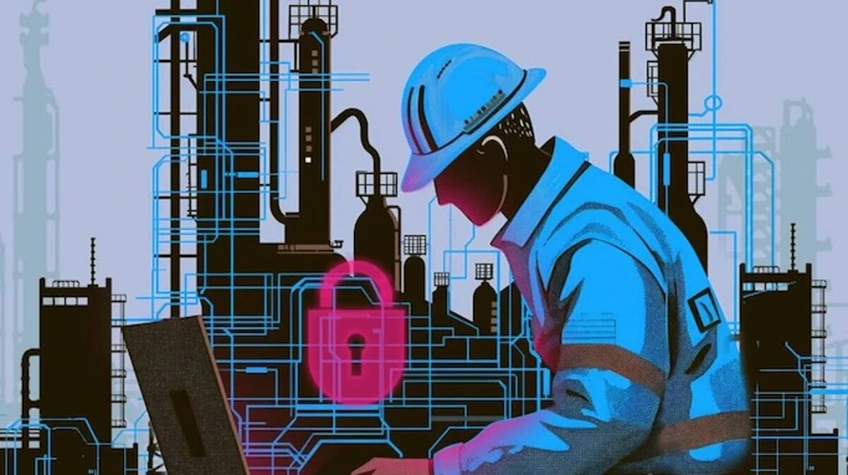
Image Source techtonichicom
There are several reasons industrial cyber risks are rising. We have outlined the top ones here; take a look…
1. Convergence of IT and OT
The first and foremost reason of increased industrial risks is the convergence of IT and operational technology (OT). Traditionally, industrial systems worked separately from external networks. With the convergence of IT and OT, they become more connected to cloud platforms, enterprise IT systems, and remote management tools. This connectedness is of course required for improved efficiency but it also increases the risk of numerous online threats.
2: Increase in Remote Access and Vendor Connectivity
Image Source Brodos
Another reason for rising cyber risk is the increase in the facility of remote access and vendor connectivity. It exposes systems to new vulnerabilities. Many industrial facilities rely on third-party vendors for maintenance, system updates and monitoring. If industrial cyber security is not taken into consideration seriously, then attackers can use these remote access points into the industrial network.
3: Use of Legacy Systems
Many businesses still operate legacy or outdated systems. These systems cannot be easily patched or upgraded. They often lack encryption, authentication mechanisms or secure communication protocols. This makes them easy targets for cyberattacks.
4: Surge in Online Fraudulent Activities
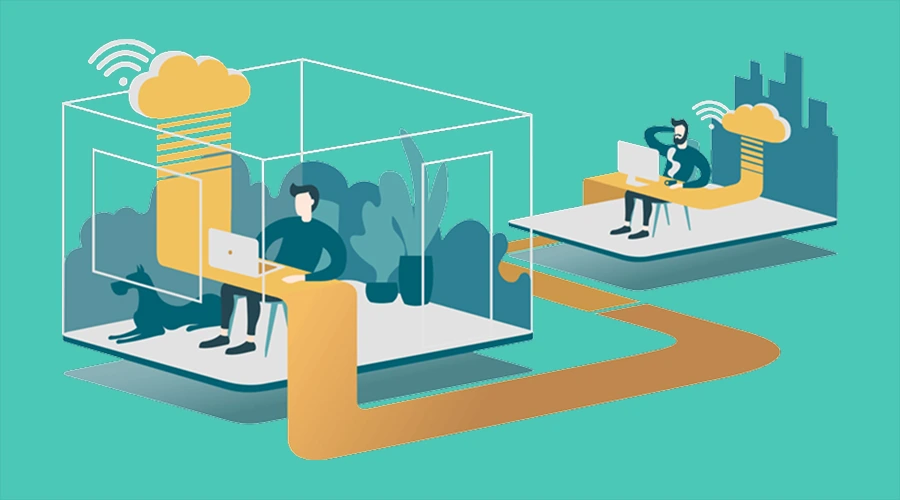
Image Source Nected
Last but not least is the significant rise in online fraudulent activities. Cyber crooks are coming up with innovative ways to disrupt industrial operations. They very well know that disrupting a production line or manufacturing unit or an energy facility can cost millions of dollars per day. And if it happens, organizations will pay any ransom amount to quickly restore systems without fully investigating the breach.
So, these are the reasons why industrial environments are more at risk of cyberattacks. Let’s now understand the process to designing secure industrial platforms. Here we go…
Designing Secure Industrial Platforms
Here are the steps to take care of in order to design secure industrial platforms. Take a look…
1. Understanding Threat Surfaces in Connected Plants
The process of designing secure industrial platforms begin with understanding threat surfaces in connected plants. This is because connected industrial environments contain multiple entry points. If these entry points are not secured properly, attackers can exploit easily. Understanding these threat surfaces is essential for building a robust industrial cyber security. Some of the most common threat surfaces in industrial environment include:
Poorly segmented networks are the prime targets for cyber attackers. If the corporate IT network is directly connected to operational systems, a simple phishing attack on an employee’s computer can potentially spread malware into the plant network. Yes, it’s that simple!
Aside from that, remote access systems, misconfigured VPNs, shared credentials or weak authentication mechanisms can allow unauthorized users to access industrial control systems, leading to data breach or cyberattack.
Then, there are legacy equipment, such as PLCs, sensors and controllers that lack advanced cybersecurity features can become easy targets to cyberattacks.
Supply chain vulnerabilities again expose organizations to significant cybersecurity risks. Cyber crooks can compromise a vendor or software provider and introduce malicious code during updates or maintenance activities, leading to disrupted production processes or operation, data theft and so on.
Lastly, the use of removable media such as USB drives can again create opportunities for cyber attackers. If security measures are weak, portable storage devices can become a gateway for serious malware attacks.
2. Secure Architecture Principles
Image Source Webflow
Protection of connected industrial operations is imperative and it can only be ensured when organizations design security directly into their industrial software and infrastructure. Here is how to ensure complete protection of connected industrial operations:
The best way to do it is to begin with network segmentation. Organizations must prefer separating industrial networks into distinct zones, such as enterprise IT, operations and safety systems.
Besides that, firewalls and gateways should control communication between these zones. Network segmentation can limit the spread of cyber threats to a great extent.
Another step is to identity-based access control and provide access to only authorized users. Unauthorized users should be strictly prevented from accessing industrial systems.
Access should be granted based on roles and responsibilities. Besides that, organizations should implement multi-factor authentication to further strengthen security.
Secure software development practices are also essential to ensure industrial cyber security. Industrial software development company should follow secure coding standards, perform regular security testing and update the systems to address vulnerabilities.
Encryption is another critical component that organizations should consider when designing secure industrial platforms. Data transmitted between industrial devices, control systems and cloud platforms should be encrypted. Doing so significantly prevents interception or manipulation.
Lastly, organizations should adopt a Zero Trust architecture. Zero Trust architecture follows the principle that no device or user is automatically trusted, requiring verification for every access request.
3. Monitoring & Incident Response
The next step is to have continuous monitoring and effective incident response strategies in place. Even the most secure systems can be compromised. This makes it utterly important for organizations to implement robust rapid incident response strategies and continuous monitoring in place.
They must utilize specialized monitoring tools that understand operational protocols and industrial communication patterns. These tools are designed to detect unusual behaviour, such as unauthorized commands sent to PLCs or unexpected network traffic.
While, an effective incident response strategy should have:
Real-time monitoring and threat detection
Automated alerts for suspicious activities
Clearly defined incident response procedures
Rapid containment and system recovery processes
Besides these, logging and visibility are also essential. Without that, organizations may not be able to detect an attack until it has already caused significant damage.
Finally, organizations should also conduct regular penetration testing and vulnerability assessments. This helps identify weaknesses before attackers can exploit them.
4. Compliance & Standards
It is crucial to keep international standards and regulatory frameworks in mind to ensure secure industrial platforms. Some of the widely recognized frameworks include:
ISA/IEC 62443: It focuses specifically on cybersecurity for industrial automation and control systems, providing guidelines for risk assessment, system design and security management.
NIST Cybersecurity Framework: The NIST cybersecurity framework is again very important. It helps organizations identify, protect, detect, respond to, and recover from cyber incidents.
CIS Controls (v8): CIS Controls (v8) is a set of 18 security controls that help organizations reduce risks and strengthen their technical systems.
Aside from these, other global frameworks include, ISO/IEC 27001, CMMC 2.0, IEC 62443-4-1 & 4-2 and UL 2900 Series that organizations can follow to ensure regulatory and compliance standards. Compliance with these standards not only helps organizations improve security but also demonstrates accountability to regulators, customers, and stakeholders.
So, what will happen if you do not adhere or miss any of these steps when designing industrial platforms?
This can be a disastrous mistake and it comes with a huge cost. Read ahead for the cost of inaction.
Cost of Inaction
Not integrating appropriate industrial cybersecurity measures can have severe consequences. Such as:
Operational Disruption: If attackers succeed in finding loop holes or weak entry points in your system, they will immediately try disrupting your operations. They can shut down control systems or manipulate industrial processes, leading to production delays that may last hours, days or even weeks.
Financial Losses: Of course, delays in production will directly impact finances because of lost revenue and increased operational costs. Organizations may even end up giving ransom to quickly restore their systems.
Regulatory Penalties: Organizations may even face regulatory penalties and legal liabilities if the breach affects critical infrastructure.
Serious Safety Risks: Cyberattacks on industrial systems can also create serious safety risks, especially if cyber attackers manipulate control systems that regulate temperature, pressure or chemical processes. This could pose significant risks to workers and nearby communities.
Soil Reputation: Cyberattacks don’t just impact organizations’ production, operations and finances, but they can also damage organizations’ reputation. Customers, investors and partners may lose confidence in companies that fail to protect their critical systems.
So, what’s the solution?
Read ahead for the solution….
Building a Security Culture
To ensure robust industrial cyber security, organizations should consider building a secure culture. Understand that technology alone cannot secure industrial environments. Organizations must focus on building a strong cybersecurity culture, which include:
Employee Awareness: It is crucial in this digital age. Organization should train their workers to recognize phishing attempts, suspicious emails and unusual system behaviour to protect systems from unwanted online threats.
Clearly Defined Security Responsibilities: Security responsibilities should be clearly defined across teams in an organization to avoid cyberattacks of any kind.
Team Collaboration: IT and OT teams should work in collaboration in order to protect industrial systems from online threats.
Conduct Security Training Programs: Organizations must conduct regular security training programs, simulated cyberattack exercises and incident response drills to prepare employees for real-world threats.
Implement Security Policies: Organizations should establish clear security policies for device usage, remote access and software updates.
Industrial cyber security is not optional today; it must be an essential part of every organization. Following the steps outlined above can help organizations significantly reduce the risk of cyber incidents.
The Bottom Line
So, this is all about cybersecurity in industrial software. Industrial cybersecurity is no longer optional; today, it is the most critical requirement for protecting connected operations. Industrial software in this age, controls complex networks of machines, sensors and control systems. However, the convergence of IT and OT systems, increasing connectivity and the presence of legacy technologies significantly increase the risk of the cyberattacks. This makes it crucial for organizations to implement the strong security measures to protect operations, equipment, workers and surroundings. By designing secure industrial platforms, implementing continuous monitoring, adopting international security standards and building a strong security culture, organizations can protect their operations from evolving cyber threats.
FAQs
1. What is industrial cybersecurity?
Industrial cybersecurity refers to the measures taken to protect industrial control systems, operational technology networks and industrial software from cyber threats (such as malware, ransomware, and unauthorized access). These measures include, understanding threat surfaces in connected plants, following secure architecture principles, having continuous monitoring & rapid incident response strategies and following regulatory and compliance standards.
2. Why are industrial systems attractive targets for cyberattacks in modern times?
Industrial systems are attractive targets for cyberattacks only when organizations fail to implement robust security measures or fail to invest in the right industrial cyber security standards. Once attacked, they may cause a significant damage, such as production downtime, financial losses and safety risks.
3. What are the main threats to industrial software?
Some of the common threats to industrial software include ransomware attacks, supply chain compromises, insider threats, insecure remote access and vulnerabilities in legacy systems.
4. What are the standard frameworks for industrial cybersecurity?
Some of the most popular frameworks for industrial cybersecurity include ISA/IEC 62443, the NIST Cybersecurity Framework, and industry-specific regulations such as NERC CIP.
5. How can organizations improve industrial cybersecurity?
Organizations can improve industrial cyber security by implementing network segmentation, strong authentication, continuous monitoring, regular security testing and conducting regular employee training programs and workshops.