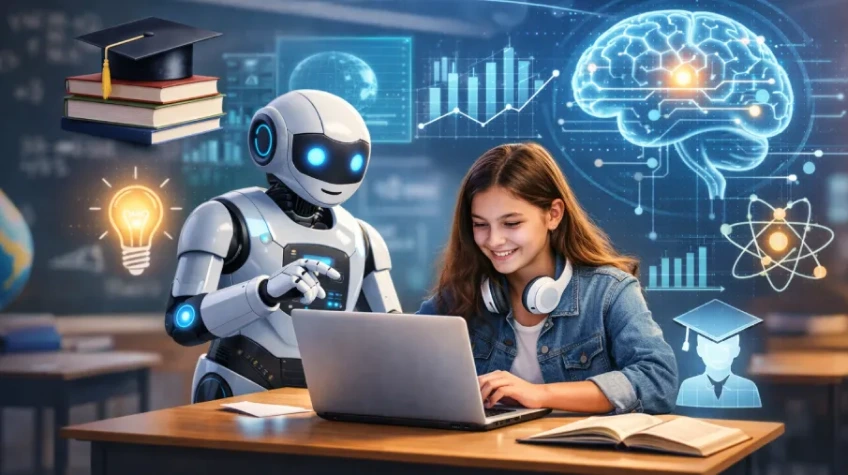
Can a chatbot change how students learn?AI chatbots are reshaping lessons, feedback and support across schools and universities – silently and in ways that many people didn’t expect.
Why AI Chatbots Are Gaining Popularity in Education
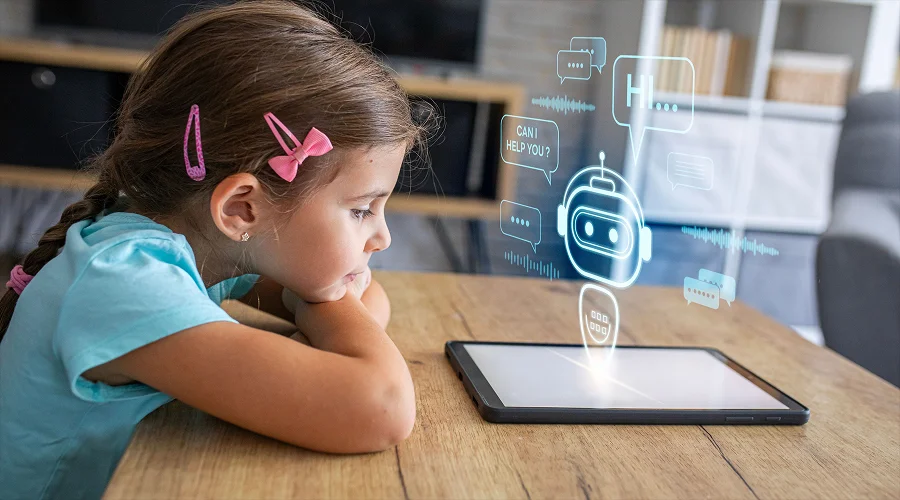
More and more institutions are now using chatbots for teaching. The move is driven by a need to support growing student numbers and shortages of staff. In conventional classrooms, teachers can’t offer personal attention to every student. AI chatbots help to cover this gap, by providing instant answers, personalised guidance and always being available without hiring additional staff.
The move is also being driven by an increased prevalence of remote and hybrid learning. Students studying from home truly need reliable and immediate support at all times. The reality is institutions have budget constraints, chatbots help to lighten the load of administrative work and improve response times to students.
The expectations of parents and educators are also setting the application of technology based learning experiences. A growing need for learning experiences have schools looking to AI chatbots for inclusion in their day-to-day.
What Are AI Chatbots in Education?
What might actually be powering these class helpers behind the scenes? AI chatbots are computer programmes which have been developed using natural language processing and machine-learning models. They understand the student’s question, infer intent and respond appropriately. While many chatbots rely on simple scripted conversations, these bots learn continuously from new interactions.
These chatbots are most often integrated into a learning platform, learning app or institutional web site. They can answer a question about the coursework, offer clarification, or provide assistance. They can handle administrative concerns, such as enrollment promises, or academic duties, such as tutoring or revision. Their versatility allows them to be useful in primary and secondary schools, higher education and corporate learning modules.
Key Applications of AI Chatbots in Education
But what are the major ways in which they can be used? AI chatbots are enormously versatile and can be used not only for answer-finding, but also in many other areas of academic life.
➢ Personalised Tutoring and Homework Support
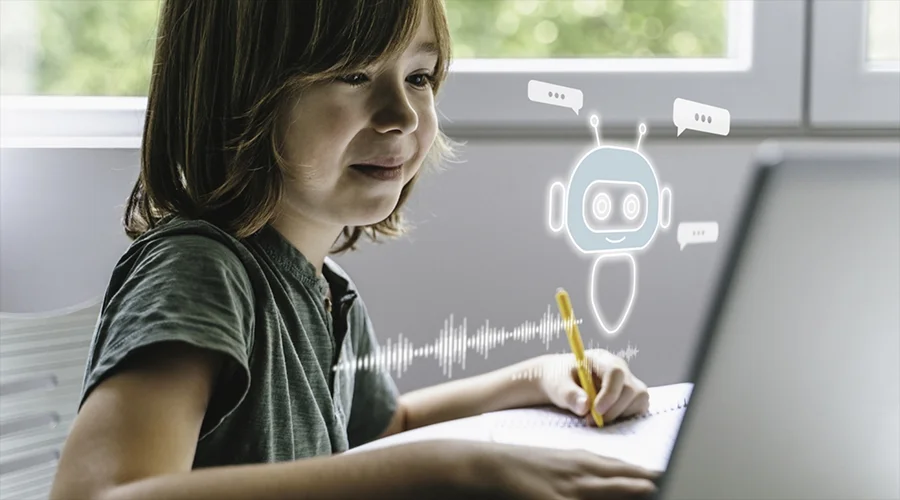
AI chatbots learn more sophisticated information about the Indian student. For example, struggling learners may need a more simplified approach than advanced students. This allows for a personalised experience and addresses some of the problems traditional learning cannot due to the amount of time and attention per student.
➢ Instant Doubt Resolution
Many students do not fear asking questions in a busy classroom environment. These chatbots provide students with a non-judgemental environment where they can ask almost anything without fear or apprehension.
This way, when students have a doubt, they can seek knowledge and not be shrouded in confusion. They may be introverted or shy causing them to stay in the shadows, learning so they don’t ask a question or seek help.
➢ Administrative and Enrolment Assistance
Universities use chatbots to address admissions queries, fee structures and deadline reminders. This eases congestion amongst administrative staff and improves response times dramatically.
➢ Language Learning and Practice

Chatbots engage the user in simulated conversation, allowing a practical approach to learning new languages. Corrections and pronunciation advice are instant, greatly speeding the learning process relative to textbook study alone.
➢ Assessment and Feedback Automation
Chatbots assigned to grading tasks can evaluate quizzes, essays and written assignments. These save teachers time and enhance student feedback speed.
➢ Mental Health and Wellbeing Check ins
Educational chatbots are now employed in some schools to inquire about and provide early intervention support related to student stress. This assists teachers just in time to intervene early.
| Application Area | Primary Benefit |
| Tutoring Support | Personalised learning pace |
| Doubt Resolution | Judgement free clarification |
| Administration | Faster query handling |
| Language Practice | Real time conversational feedback |
| Assessment | Quicker grading and feedback |
| Wellbeing Checks | Early emotional support |
These combined applications demonstrate why chatbots have become genuinely central to modern educational technology strategies.
Benefits of AI Chatbots in Modern Education
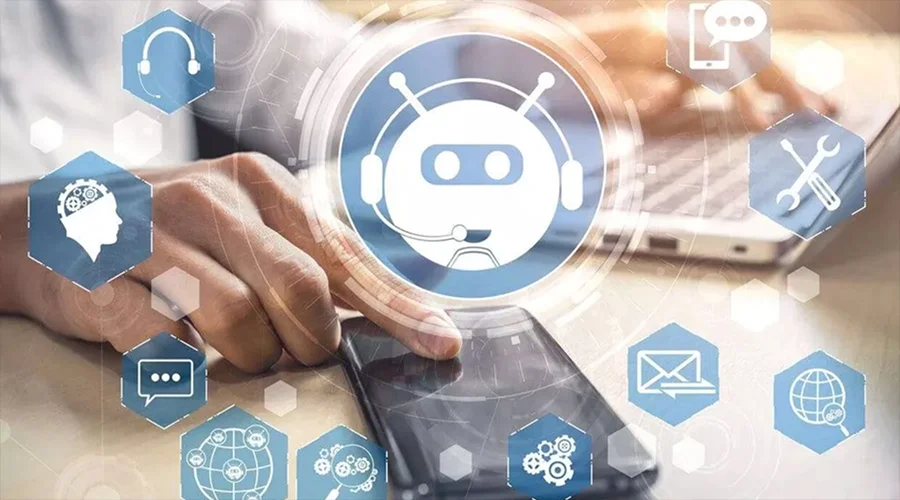
Not convinced of the effectiveness of chatbots in extending educational opportunity? Beyond convenience, there are gains in engagement, inclusiveness and performance.
- Chatbots are available 24/7, making availability independent of time zone and Date
- Personalised responses for varied learning speed and styles
- Reduced administrative burden enables teachers to address students in meaningful, hands on ways
- Instant feedback keeps students engaged and motivated
All of the above result in an adaptive, supportive learning environment that is inclusive of all students
Challenges and Limitations of AI Chatbots
Are chatbots so perfect that they come with no drawbacks? Sadly, a number of real limitations still hinder their worth within learning contexts today.
- Chatbots rarely respond accurately to students’ questions with nuanced or ambiguous queries
- Excessive reliance may stifle critical thinking and independent problem solving skills
- The privacy of students’ data remains a key issue, particularly given that some users may be very young
- Chatbots are still deficient in emotional nuance and empathy when compared with their human counterparts
We need to manage these limitations carefully before we can consider investing more heavily in chatbot usage.
The future of AI chatbots in learning
What might the next generation of chatbots in classroom learning look like? We can expect a growing synergy with virtual reality, adaptive curriculums and predictive learning analytics.
Voice based interactions are likely to become the norm, making for a more natural, hands free experience. We’re also likely to see chatbots working collaboratively with teachers, nudging lesson plans in response to performance data.
Multilingualism will also continue to improve, enabling more truly global learning environments. This is just one aspect of the increasingly humanised touch that we can expect from chatbots in education.
Conclusion
AI chatbots are already enhancing the way students learn, ask questions and get support. Their contribution stretches from personalised tutoring, through increased administrative efficiency, across almost all academic functions today.
Although there are challenges, further development should enable chatbots to become increasingly valuable in classrooms across the globe, providing meaningful assistance to both students and teachers.
Also Read: Top 10 Interesting AI Chatbot Ideas