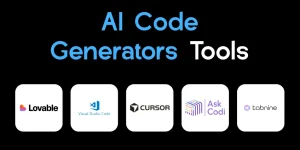
Artificial intelligence (AI) has changed the way software is developed. Today, developers don’t need to write every line of code themselves. They use AI tools for generating code, building features and creating applications or websites. And the best thing is all this is done just by describing what they want in simple language to the AI tools. This approach is known as vibe coding. Vibe coding makes software development faster and easier. Even people with little coding knowledge can build apps, test ideas and create working models with this approach. However, building an app is easier than making sure it works well for a business.
As more businesses adopt AI development tools in 2027, one question becomes important: Can AI-generated code handle real business needs? Yes, it can, but only when it is properly tested, checked for security issues, updated regularly and reviewed by developers. Let’s understand vibe coding in detail in this post. Let’s dive in…
Vibe Coding – What Is It?
Vibe coding is a way of developing software using AI tools. In this approach, instead of writing all the code manually, developers give simple instructions to AI tools to get the job done. They describe what exactly they want to build, and the AI creates the required code. For example, if you want to build an online shopping website with a homepage, product listings, shopping cart and checkout page, you simply describe all these details to AI tools. Your website will be ready. Besides that, you can also ask the tool to make changes until the website works as expected.
Some of the most popular AI coding tools include ChatGPT, GitHub Copilot and Cursor. These tools make the website development process easier and faster. These AI tools can be used for writing code, finding errors, making changes and so on. They help developers save a lot of their time. The main idea is to tell AI what the software should do rather than write every line of code yourself. However, it is crucial to check the code generated using AI tools to make sure it works properly.
Why Is Vibe Coding Becoming Popular in 2027?
One of the main reasons vibe coding is becoming popular is that it saves a lot of time for developers. Traditional software development often takes weeks or months, depending on the project. But that’s not the case with AI-generated codes. AI tools can help developers build features, test ideas and create early versions of applications faster than ever.
Here are some of the best reasons more and more businesses and developers are now using vibe coding. Take a look…
1. Faster Development
AI-tools helps in faster development. They can generate code for common features, forms, dashboards and other application components within minutes. This helps developers save a lot of time on repetitive tasks.
2. Easy to Use
People with limited programming knowledge can also develop websites or basic applications with the help of vibe coding. All they need to do is to give simple instructions to AI tools. This particularly eliminate the need to understand every programming language to get started.
3. Lower Initial Development Costs
AI tools not only reduce the time spent on some development tasks, but also help developers lower the initial development costs. This allows startups and small businesses to test their ideas without immediately hiring a large development team.
4. Faster Prototyping
Vibe coding allows businesses to create a working version of an application and show it to customers or investors without wasting any moment. This allows them to collect feedback and make changes before investing in full development.
5. Easier & Faster Updates
Even adding new features to the application is a breeze with vibe coding. Using AI tools, developers can quickly add features, fix common errors and improve existing code. This makes smaller updates quicker and easier.
However, it is worth noting that building software quickly does not always mean it will work well. An app may run smoothly in a demo but fail when many people start using it.
Can AI-Generated Code Handle Production Workloads?
Yes, they can. AI-generated code can handle production workloads; however, it depends on how the code is created, tested and managed. A production application is designed to do much more than performing basic tasks. These applications are designed to handle many users, protect personal information, manage errors and work properly even when problems occur.
For example, an AI tool may create a login system that works during testing but has security issues or fails when many people try to log in at once. This is why working code is not always ready for real-world use.
Several 2026 studies show that some AI coding tools produced working code with serious security problems. This makes it crucial that each code generated using AI tools must be reviewed by humans and tested before launch. For businesses, the main concern is not just whether AI can write code, but whether it is safe, reliable and works well in real situations.
Major Challenges of Using AI-Generated Code in Production
Undoubtedly, vibe coding offers several benefits; however, there are certain limitations that every business must be aware of before completely relying on this approach. These limitations include:
1. Security Risks
Security is one of the biggest concerns with AI-generated code. AI tools can produce code that appears correct but contains weaknesses that cyber attackers may exploit.
A 2026 study titled Is Vibe Coding Safe? examined AI-generated code across 186 real-world software tasks. It found that 57% of the solutions worked correctly, but only 11.8% were secure. This shows why AI-generated code needs proper security checks and human review before being used in real applications.
Some common problems include weak authentication, poor data protection, insecure database connections and improper handling of user information. These problems can put customer data and business systems at risk. Therefore, it is crucial that developers checking the code, testing its security and following proper safety practices before launching the application.
2. Performance Problems
Sometimes applications created using AI tools may work well with a few users but struggle when traffic increases. For example, an online shopping website may work well for one user but become slow or stop working when thousands of people visit during a sale.
This is one of the most common problems when turning an AI-generated prototype into a real application. AI tools may create code that uses too many resources, sends too many database requests or does not manage memory properly. Load testing and performance checks can help developers find and fix these problems before launching the application.
3. Poor Code Quality and Maintenance
AI-generated code is not always easy to understand or maintain. Sometimes, AI tools create unnecessary functions, repeat the same code in different places or use solutions that are difficult to update later. This can create problems when an application grows and new features are added.
Besides these, developers may also find it difficult to fix errors in code as they do not fully understand it. This becomes harder when people use AI to build apps without knowing enough coding to check the results. In this situation, it becomes crucial for businesses to ensure that the code is properly organised, documented and easy for developers to manage.
4. Problem During Integration
Production applications often connect with different systems, including payment gateways, customer management platforms, databases and third-party services. AI can generate code to connect these systems. However, the real problem arises when it does not understand their specific requirements.
For example, an online payment system must follow the payment provider’s rules and handle failed transactions correctly. A small mistake in the integration can result in payment failures or incorrect order records.
Therefore, it is crucial for developers to check all integration and test how different systems work together before launching the application.
5. Difficulty Handling Unexpected Situations
AI-generated code may handle normal situations correctly but they may struggle with unusual user behaviour or unexpected errors. For example, an app may work well with correct information but fail when users leave forms incomplete, upload unsupported files or lose their internet connection.
Developers need to keep these situations in mind when developing applications using vibe coding. Proper error handling and testing can help prevent problems like these from affecting the entire application.
How to Make AI-Generated Code Ready for Production
Just for these challenges, you don’t need to stop using vibe coding to build reliable applications. All you need to do is to follow the right development and testing practices. Here are some important steps to consider:
1. Get the Code Reviewed by Developers
Every important part of AI-generated code should be reviewed by an experienced developer. This helps identify errors, security weaknesses and unnecessary code that an AI tool may overlook and fix them instantly.
2. Run Proper Testing
Testing should not be ignored at all. Each application built using AI tools must be properly testing under different conditions before it is released. This should include checking individual features, testing how different components work together and simulating heavy user traffic.
3. Follow Security Practices
Following security practices is yet another important step in the process. Security testing should be part of the development process rather than something added just before launch. Developers must make sure that secure login systems are used, sensitive information is protected and user permissions are properly checked.
4. Monitor Application Performance
Building and launching an app is not enough. Its performance should also be checked regularly after launch. Developers should regularly check its speed, response time, error rates and resource usage after the app released. Monitoring helps developers identify problems before they affect too many users.
5. Keep the Code Updated
Just like any other code written manually, AI-generated code should also be regularly maintained. Developers should make sure that all libraries are up to date, all reported problems are fixed and code is improved as the application grows.
6. Use Version Control
Make sure to maintain a record of all code changes so developers can track updates and restore an earlier working version if something goes wrong. This is especially helpful when multiple developers and AI tools are working on the same project.
Scenarios Where Vibe Coding Works Best
Vibe coding can help with many software projects, but it may not be the right choice for every application. However, it works well for the following projects:
Basic Website Development: Building landing pages, business websites and basic online platforms.
Prototypes: Creating early versions of applications to test business ideas.
Internal Business Tools: Developing simple dashboards, reporting tools and employee management applications.
Small Business Applications: Building basic booking systems, forms and customer-facing tools.
Automation: Creating scripts to handle repetitive tasks and simplify everyday business operations.
However, apps that handle banking, medical records, customer data or important business tasks need extra care. They must only be created by experienced developers, tested properly and should include strong security measures.
How is Vibe Coding Different from Traditional Software Development
Vibe coding and traditional software development follow different approaches, but both have their own benefits and uses.
In traditional software development, programmers have direct control over the code, application structure and technical decisions. It usually requires more coding knowledge and may take longer to complete some tasks. Vibe coding, on the other hand, is done using AI tools. It makes development faster as it allows developers to describe their requirements and let AI generate much of the code. However, the generated code may need more time for checking, testing and fixing errors.
Both approaches can work together. Developers can use AI to handle simple tasks and write initial code while taking care of important decisions, security checks and final testing themselves.
The Bottom Line
So, this is all about vibe coding. Vibe coding has made software development faster and more accessible in 2027. Using vibe coding, businesses can test ideas, create prototypes and build applications without writing all the code themselves. However, AI-generated code is not always safe, reliable or ready for real-world use. Applications that handle customer information and business data should be properly tested. Moreover, each code should be reviewed, checked for performance and updated regularly. Of course, businesses should not avoid using vibe coding, instead, AI tools must be used as development assistants while ensuring that experienced developers review the code, fix issues and make important technical decisions. All in all, vibe coding in 2027 can support real-world software development when combined with proper testing and development practices.