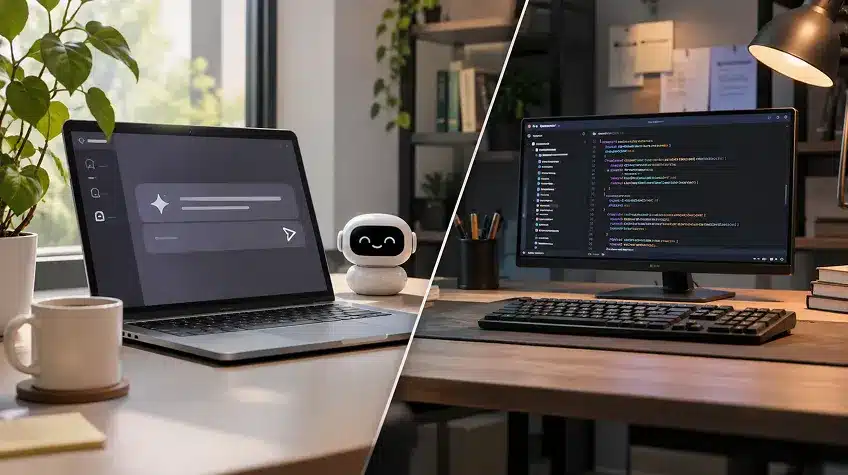
Software development has changed significantly ever since Artificial Intelligence has been introduced. Today, businesses can use AI tools to create stunning applications by just giving simple instructions. This approach is called vibe coding. Vibe coding is absolutely different from traditional software development that follows a more organised process. Developers don’t need to write codes from scratch in vibe coding. In traditional development; however, developers take care of everything, from planning the project and writing code to testing features and fixing errors. Both methods have their unique benefits. Vibe coding saves time and makes software development easier, whereas, traditional development gives developers more control over the process.
But which approach is better in 2027? Well, that depends on the project’s needs, complexity, security requirements and the developer’s experience. However, understanding the difference is crucial to make the right choice of development. In this post, we will explain the differences between these two development methods to help businesses know which approach they should use. Let’s dive in…
Understanding Vibe Coding – What Is It?
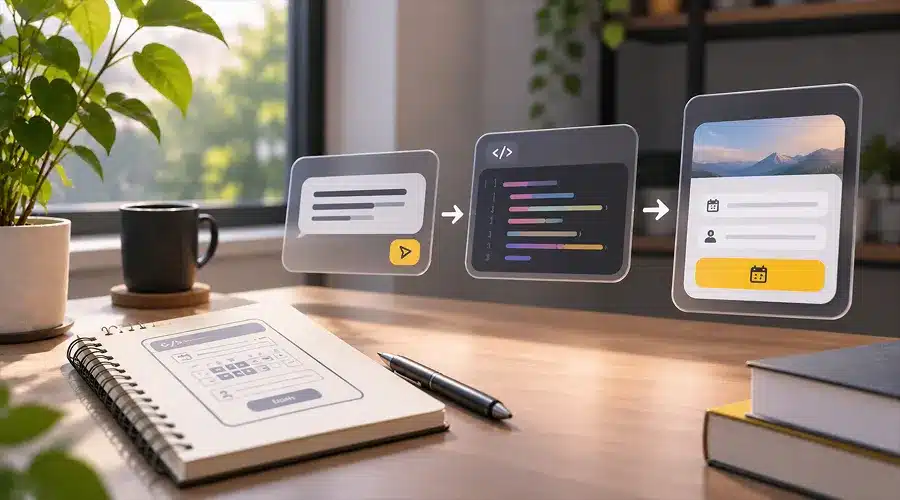
Vibe coding is an advanced way to create software. In this approach, developers use AI tools to create applications. The best thing about Vibe coding is that it eliminates the need to write codes from scratch. Developers simply need to explain their ideas in everyday language, the AI tool then creates code based on your instructions. For example, if you want to build a booking website, you can ask an AI tool to create a homepage, add a booking form and show available time slots. The tool will generate the code and make changes according to your instructions. You can keep making changes until the application looks and works the way you want.
Vibe coding has made software development a breeze for people with little coding knowledge or beginners. It helps businesses create websites, mobile apps, prototypes and simple business tools. However, the final result depends on how clearly, you explain your requirements, the AI tool you use and how well you test the software.
Understanding Traditional Software Development – What Is It?
Traditional software development is very different from vibe coding. It’s a planned process. In this process, developers write code themselves to build applications. The process starts with understanding the project requirements and deciding how the software should work. Based on that, developers choose the right programming languages and tools to build the application. Different features of the software are first created, then connected. Each feature is thoroughly tested before the software is launched to make sure everything works properly. They check security, fix errors and improve performance before releasing the application. After launch, developers may continue to fix problems and add new features. Undeniably, traditional development requires technical skills and more time, but it gives developers greater control over how the software is built.
Vibe Coding vs Traditional Development: A Quick Comparison
Both methods are meant to create software, but they differ significantly based on their working, planning and management. Here is a quick comparison:
| Comparison | Vibe Coding | Traditional Development |
| Coding | AI generates much of the code | Developers write and manage code |
| Speed | Faster, especially for simple projects | Often takes more time |
| Technical Skills Required | Basic coding knowledge | Requires programming skills |
| Cost | Reduces initial development costs | Often costly as it may require a larger development team |
| Flexibility | Changes can be made through new prompts | Changes are made directly in the code |
| Testing | Requires careful checking of AI-generated code | Testing is done throughout the development process |
| Security | Generated code needs expert review | Developers can apply security practices directly |
| Maintenance | Can become difficult without proper documentation | Easier to manage with organised code |
The main difference is that vibe coding uses AI tools to write code faster, while traditional development relies on developers writing the code themselves.
Advantages of Vibe Coding
Vibe coding offers numerous advantages, including:
1. Faster Development
One of the biggest benefits of vibe coding is that it helps developers with faster development. Using AI tools, developers can generate codes for different features instead of writing it all themselves. For example, you want to build a basic contact form, basic website or a navigation menu, AI can help build that in no time. Also, you can test ideas and make changes quickly.
2. Easy for Beginners
People need not to have strong programming skills to use vibe coding. Even beginner level developers can use vibe coding to create simple applications. All they need to do is to explain their requirements clearly and guide the AI tool through the process. This helps small business owners, students and entrepreneurs to create software or test an idea without hiring a development team immediately.
3. Lower Initial Costs
Vibe coding often turns out to be a budget-friendly option. It reduces the initial cost of building a simple application. Businesses don’t need to hire a large team to create an early version of a website or software product. They can use AI tools to build a basic version or test idea. Based on outcomes, they can decide whether further investment is worthwhile.
4. Quick Changes and Experimentation
Making changes is often easier with vibe coding. Users can instruct AI tool to make desired changes without much effort. Whether it’s changing theme, adding buttons, adjusting page layouts or creating new features, AI tools do it all effortlessly. This makes AI tools especially useful for businesses that want to test their ideas before investing more time and money.
Advantages of Traditional Development
Traditional software development is very important as it offers greater control over the software development process. Here are its benefits:
1. Better Control Over Code
In traditional development, programmers need to write and manage them code all by themselves. They decide how each feature should work. Also, they choose the right tools based on the project requirements. This gives immense control to them over code, which is important when building large applications with many connected features.
2. Stronger Security Management
Security is an important part of software development. In traditional development, developers follow security practices while building an application. They can check how user data is stored, decide who can access different features and protect the application from common cyberattacks. However, security largely depends on thorough testing and regular updates.
3. Easier Long-Term Maintenance
Maintaining the software even after its launch is an important step. Developers often fix errors, update features or make changes as business requirements grow. Maintaining a software created using traditional software development is much easier as it follows a planned structure. It makes it easier for development teams to understand and manage the code over time.
4. Suitable for Complex Projects
Traditional development is often better for applications that manage large amounts of data or handle important business tasks. For example, banking apps, healthcare systems, payment apps and business software need proper planning, testing and security checks. That’s when traditional software development comes in handy.
Limitations of Vibe Coding
Although vibe coding offers several benefits, it also has some limitations that businesses should know before using it.
- AI-generated code may contain errors: AI tools may misunderstand instructions or create code that does not work correctly.
- Security risks: AI-generated code may have security flaws that hackers can use to access sensitive data.
- Difficult to maintain: AI-generated code can be difficult to understand and update, especially if it lacks a clear structure.
- Limited control: Users with limited coding knowledge may struggle to find and fix technical problems.
- Insecure code: Insecure code, data leaks and software risks make it essential for human review and testing before use.
Can Vibe Coding Be Used for Production Applications in 2027?
Yes, vibe coding can be used to build production applications, but it cannot replace traditional software development. AI tools can help create simple websites and business tools but apps handling payments, personal data or important business tasks need extra security checks and testing. Developers should review the code, test key features and ensure the application can be maintained and updated. This helps ensure that the software is secure, reliable and works properly for users. Businesses should test applications under real conditions before releasing them, rather than relying only on initial demonstrations.
Vibe Coding vs Traditional Development: Which Should Businesses Choose?
There is no single answer best approach as such. Both approaches work well for different types of projects.
Vibe coding is a good option when businesses want to test an idea, create a basic website or build an early version of an application. It helps create software faster and without spending too much time and money. Traditional development, on the other hand, is ideal for creating projects that include complex features, sensitive information, large databases or strict security requirements. The best thing about traditional software development is that it gives developers greater control and makes it easier to manage the application over time.
Tips to Choose the Right Approach
To choose the right approach, you should consider:
- The Project Size: Project size plays a crucial role when choosing the right approach. Simple projects can be developed using vibe coding; however, larger applications need a more structured development process. Hence, only traditional development should be used to create larger apps.
- Your Budget Requirements: Budget is again an important consideration. AI tools undoubtedly cost lesser, but taking testing, maintenance and security expenses in account is again crucial.
- Security Needs: Applications that handle payments or personal information should only be created using traditional approach by experienced developers to ensure security and safety of clients’ data.
- Future Updates: Choose an approach that makes it easier to scale the application as it grows in the future.
- Available Skills: Experienced developers can use the combination of both to speed up the development while keeping control over the code.
Vibe Coding vs Traditional Development: Benefits of Combining Both the Approaches
More and more businesses in 2027 are choosing the combination of both the approaches instead of just relying on only one. Using both approaches together let them have better results. Developers can use AI tools to handle simple coding tasks, create basic designs and test new ideas and traditional development for checking the code, improving it and making sure it meets the project requirements.
For example, a business planning to launch an online shopping website can use vibe coding to create the basic design and test its features. Experienced developers can then work on payment security, customer accounts and other important parts. This approach saves time while maintaining software quality and security.
The Bottom Line
So, there you have it: the differences between vibe coding and traditional software development. Undoubtedly, vibe coding and traditional development both play a crucial role in software development in 2027. Vibe coding makes it easier to create basic applications, test ideas and so on. Whereas, traditional software development allows developers to have more control over code, making it ideal for creating applications with complex features. No matter what approach you choose, it is crucial not to completely rely on AI tools for software development. Choosing the combination of both approaches can help businesses and developers build software that is useful, secure and ready for long-term use.