Among several advanced technologies, artificial intelligence (AI) is making waves in almost every industry. It helps businesses work faster and smarter. That’s the reason more and more businesses now build their own AI agents. However, building a useful AI agent involves much more than selecting an AI model or writing code. Whether you’re building an AI customer support assistant, a sales assistant, an internal business tool or an automation solution, following a clear development process is crucial. It ensures creation of a functional AI agent. To learn about the AI agent development lifecycle, keep reading this post. It explains the step-by-step guide to build AI agents that can grow with your business. So, let’s get started…
Table of Contents
- What is the AI Agent Development Lifecycle?
- Key Stages of the AI Agent Development Lifecycle
- Benefits of a Structured AI Agent Development Lifecycle
- Challenges in AI Agent Development
- Best Practices for Successful AI Agent Development
- Future Trends in AI Agent Development
What is the AI Agent Development Lifecycle?
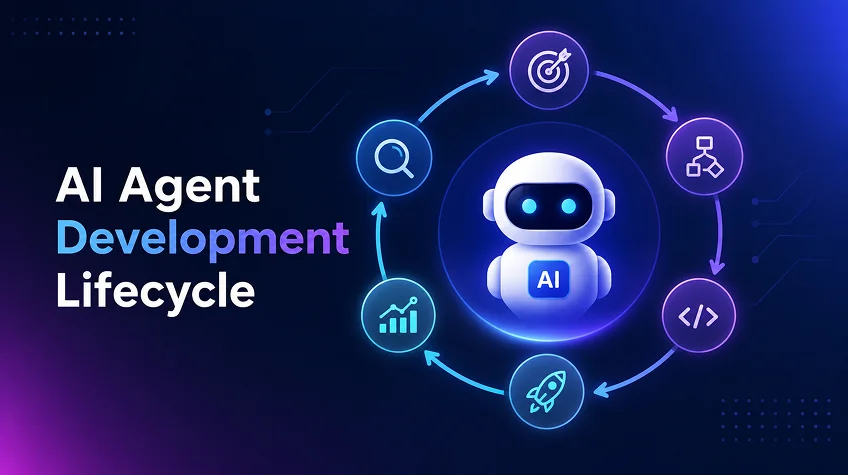
The AI agent development lifecycle includes the steps involved in building an AI agent. Building an AI agent goes far beyond just writing code or connecting it to an AI model. Different stages of AI agent development lifecycle ensure the creation of an AI agent that works well, stays secure and solves real problems. Additionally, it also makes it easier for businesses to improve the agent as business needs change. Whether you are building a customer support chatbot, a virtual assistant, a sales tool or any other AI application, following the step-by-step process is crucial for building a better, scalable and more reliable solution.
Key Stages of the AI Agent Development Lifecycle
Here are the key stages involved in the process of AI agent development lifecycle. Take a look…
1. Define the Problem
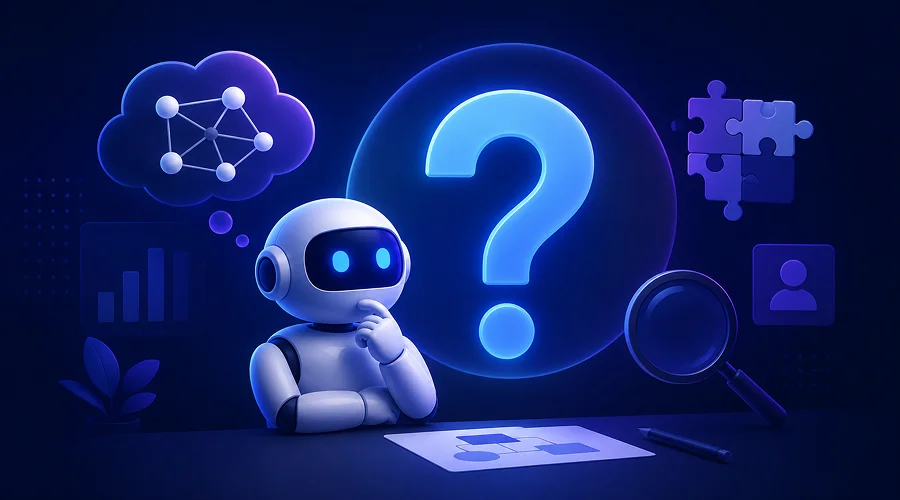
The process begins with understanding the problem you want your agent to solve. For that ask yourself: What problem should the AI agent solve? Who will use it? And so on.
2. Know Your Goals
Before you start building an AI agent, it is crucial to know what tasks should the AI agent perform. For example, an educational institute may want an AI agent that answers customer queries in real time. Having clear goals beforehand can help you create a successful agent and prevent unnecessary development.
3. Gathering Requirements
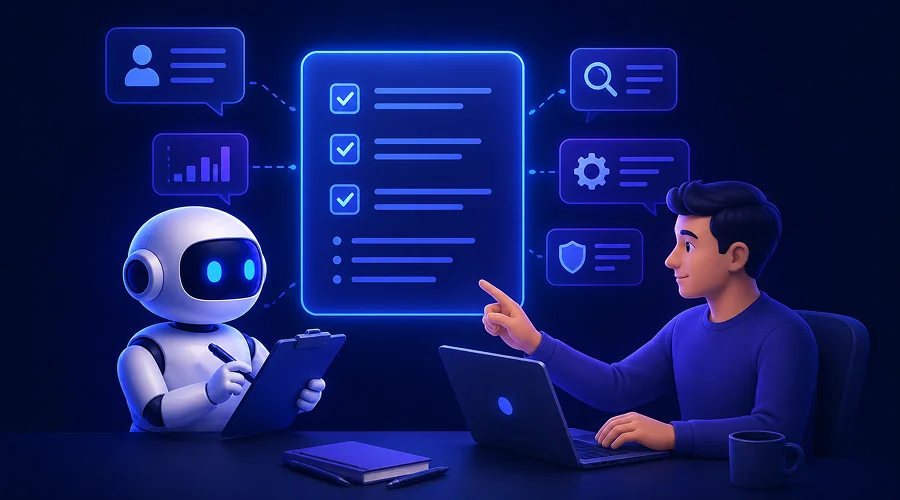
Once you know your goal, it’s time to gather requirements, such as user expectations, business rules, available data, security requirements, integration with existing software and compliance and privacy needs. Having these details in hand before you start building an AI agent can help reduce cost significantly.
4. Designing
Now, comes the designing part. In this stage, developers decide how the AI agent will work before writing code. This stage includes, user conversations, decision-making process, workflow, external tools the agent can use, APIs and software integrations and memory and context handling. Having a good design beforehand can help create an AI agent that responds naturally while completing tasks accurately.
5. Preparing Data and Knowledge Sources
Access to reliable information is a MUST for having an AI agent performing its best. It may include, company documents, product catalogs, websites, knowledge bases, internal databases, FAQs and so on. Make sure the information you use is accurate, organized and regularly updated so that the AI can provide trustworthy answers.
6. Building the AI Agent
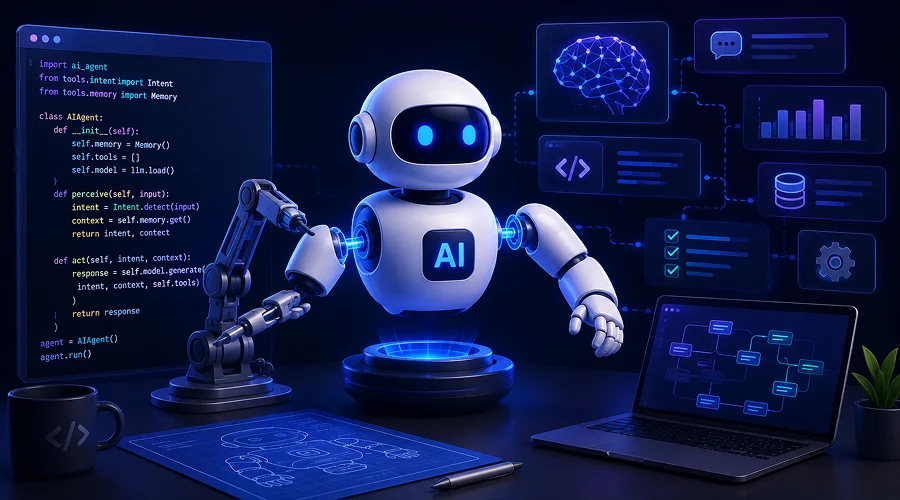
With the design and information in hand, it’s time for developers to begin building the agent. In this stage, developers connect AI models, build workflows, add automation, integrate business systems, configure APIs and create user interfaces. In simple words, this is the stage when developers transform the planned design into a working solution.
7. Testing the AI Agent
Like any other software, testing of AI agents is also crucial. After building the AI agent, developers check whether it understands user questions correctly, gives accurate responses, completes tasks successfully, handles unexpected requests, protects sensitive information and maintains consistent performance. Testing is done in real-world to ensure all the weaknesses are identified and fixed before the AI is deployed.
8. Deploying the AI Agent
After testing the AI agent, it is released for real users. It can be integrated into websites, mobile apps, customer support systems, enterprise software, internal employee portals, messaging platforms and other digital solutions. It is often deployed in phases. This is because a phased rollout allows teams to monitor performance and fix any issues before making the AI available to all users.
9. Monitoring Performance
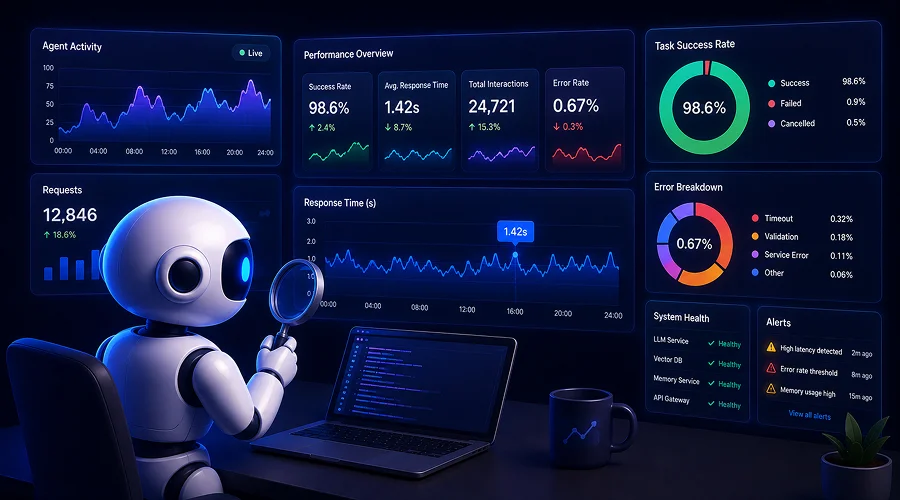
The work continues even after the AI agent is deployed. Deployment is not the end of the journey; it is, in fact, the beginning of it. Once the AI agent is live, it needs continuous monitoring, regular updates, and ongoing improvements to keep delivering accurate and reliable results.
AI agent is them continuously monitored for response accuracy, user satisfaction, task completion rates, errors, speed and system reliability. Monitoring it regularly helps identify opportunities for improvement.
10. Improving and Updating
Business needs keep changing, so should the AI agents. Therefore, it is crucial for businesses to keep their AI agents updated. That’s the reason developers update knowledge sources, improve prompts and workflows, add new features, expand integrations, fix issues discovered after deployment and fine-tune performance based on user feedback. Continuous improvement keeps the AI agent useful and effective over time.
Benefits of a Structured AI Agent Development Lifecycle
Following structured AI agent development lifecycle is crucial for the creation of an AI agent that:
- Solves real business problems
- Improves accuracy and reliability
- Reduces development risks
- Enhances user experience
- Makes future updates easier
- Strengthens security and compliance
- Supports long-term business growth
Challenges in AI Agent Development
AI agents are undoubtedly a fantastic innovation that can automate tasks, improve efficiency and help businesses deliver better experiences. AI agents offer many exciting possibilities, but building one is not a cakewalk. Developers face several challenges throughout the process to ensure AI agent works best in the real-world. Some of those challenges include:
- Understanding user intent correctly
- Maintaining accuracy and consistency
- Integration with existing systems
- Protecting user privacy and security
- Managing conversation context
- Balancing speed, performance and reliability
- Handling large numbers of users and complex tasks
- Keeping AI responses consistent
- Building user trust
- Continuous monitoring, testing and improvement
Best Practices for Successful AI Agent Development
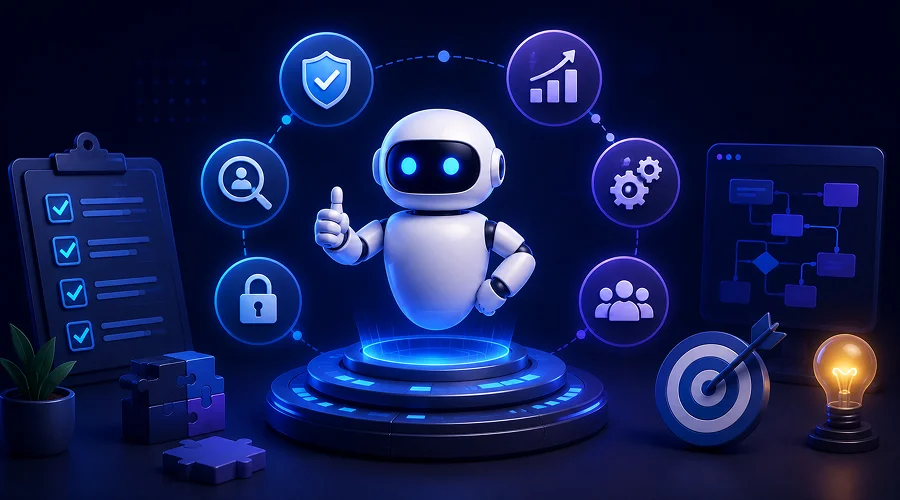
- Define exactly what you want an AI agent to do
- Know who will use the AI agent and the problems they would want to solve
- Start with a basic version first
- Use accurate, up-to-date and well-organized data
- Give the agent clear instructions
- Define how the AI should respond in different situations
- Design natural conversations
- Protect user privacy
- Be transparent about AI limitations
- Test with real users
- Monitor performance regularly
- Focus on speed and reliability
- Keep improving through feedback
- Ensure smooth integration
- Keep future growth in mind
Future Trends in AI Agent Development
AI agents are expected to become much more capable in the coming years. Instead of only responding to commands, the future AI agents will be created to understand goals, plan tasks on their own and work across different apps and devices with very little guidance. More and more businesses will have AI agents for handling customer support, managing routine work, analysing information and assisting employees with everyday tasks. Moreover, future AI agent development will focus more on making more reliable, secure and transparent agents to help users to make the right decisions. As AI continues to improve, AI agents will help people save time, reduce repetitive work, and focus on more important and creative tasks.
The Bottom Line
So, this is all about the AI Agent Development Lifecycle. A structured AI agent development lifecycle is crucial for building AI solutions that deliver real value. Each stage in the development process plays a crucial role and developers must follow them to ensure creation of a useful AI agent. Developing a useful agent becomes easier with careful planning, thorough testing and continuous improvement. By following the lifecycle from planning to ongoing optimization, businesses can build accurate, dependable and scalable solutions.
Also Read: 10 Best Website Development Project Ideas For 2026