Cyber threats are no longer limited to large enterprises. Small businesses are today a favourite target because they usually don’t have their own security teams or robust defence mechanisms. One cyber attack can stop your operations in their tracks, compromise customer data, tarnish your reputation and cost you dearly.
As scammers become more sophisticated with the help of artificial intelligence and automation, businesses need to be more pro-active. Fortunately, good cyber hygiene does not always have to be intense and expensive. With the right approach and practices, you can substantially reduce your risk.
This cybersecurity checklist outlines the no‑frills best practices every small business needs to adopt in 2026 to bolster its security and safeguard critical assets.
Why Cybersecurity Is Critical for Small Businesses in 2026
Technology has become an indispensable part of our world. Our reliance on it increases everyday, bringing convenience with it. But as the digital world evolves, so do cyber threats – ransomware, phishing, cloud-based vulnerabilities and supply chain attacks are just a few of the risks small businesses face.
Cybersecurity can protect your confidential information, your customers’ trust, your regulatory compliance and your bottom line as it safeguards against costly disruption from cyber incidents.
Cybersecurity Checklist for Small Businesses
➩ Conduct Regular Risk Assessments
Knowing where you are weak is the first step to better security. Regularly perform risk assessment of your networks, applications, devices and business processes so you can identify vulnerabilities before they become an attack vector.
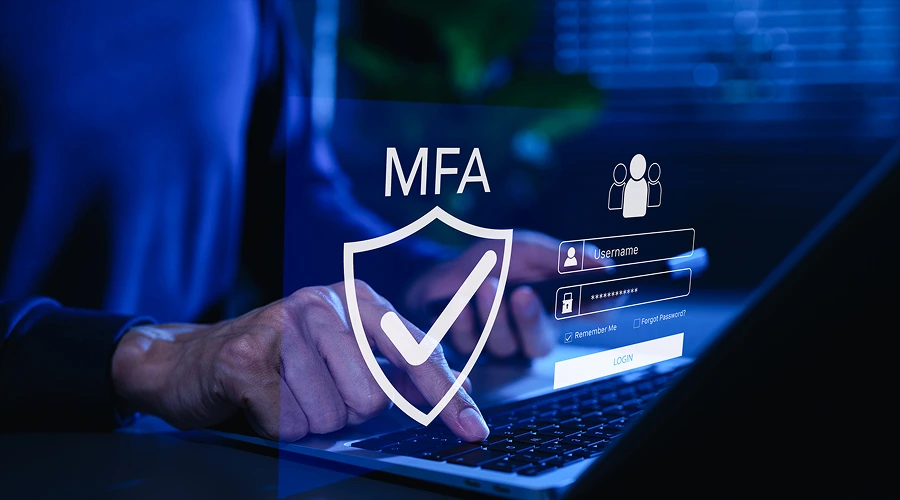
➩ Enable Multi Factor Authentication
Image Source NJ MEL
A password is no longer enough to verify a person’s identity. Multi factor authentication adds an extra layer of verification, making it harder for unauthorised users to access your business systems, even if passwords are compromised.
➩ Keep Software and Systems Updated
Cybercriminals often look for software not updated with the latest security patches. Make sure you keep software and systems up to date and enable automatic updates wherever possible.
➩ Back Up Business Data Frequently
Image Source Nybble
Use both cloud and offline storage to maintain secure backups of critical files. Test backup restoration regularly to verify you can quickly regain data after a cyber incident.
➩ Train Employees on Cybersecurity Awareness
Employees are often the first line of defence. Ensure they receive regular training to recognise phishing emails, not click suspicious links, secure handling of sensitive information and reporting odd behaviour.
➩ Secure Business Devices
Use antivirus software, device encryption, strong passwords and automatic screen locks to protect laptops, desktops, smartphones and tablets. Provide or allow remote devices to receive the same level of protection as office computers.
➩ Protect Your Network
Image Source Sectigo
With firewalls, secure WiFi configuration and virtual private networks for remote employees. Keep guest networks separate from business systems to reduce the risks.
➩ Control User Access
Grant access based on job responsibilities and ensure employees can only access the systems and information their roles require. Delete unused accounts immediately once staff leave the organisation.
➩ Monitor Business Systems
Set up real-time monitoring to identify unusual login attempts, suspicious network traffic, or unexpected system changes. Early detection enables the business to respond before threats can grow.
➩ Develop an Incident Response Plan
No security measures are foolproof. Develop a straightforward incident response strategy that details how you will detect, contain, investigate, and respond to a cyber incident. Allocate responsibilities to ensure everyone knows what to do in an emergency.
Data breaches that can cause reputational damage and financial loss
Advanced Cybersecurity Strategies
⮚ Adopt a Zero Trust Strategy
Move beyond legacy security models by authenticating every device, user and access request. A Zero Trust strategy significantly reduces the risk of unauthorised access and limits the impact of security breaches.
⮚ Leverage AI Powered Security Technology
Image Source VIPRE Security
AI can automatically detect abnormal actions, spot emerging threat types and respond faster than manual monitoring. By doing so, AI helps enterprises stay ahead of sophisticated cyber attacks.
⮚ Perform Continuous Pen Testing
Lead the battle against cybercriminals by simulating realistic cyber attacks and identifying weaknesses before a hacker does. Data gathered from open testing exercises offers useful insight into your security, health and improvement areas.
⮚ Strengthen Third Party Security
Your cybersecurity is only as strong as your vendors. Evaluate third-party providers regularly to ensure they follow robust security practices and comply with relevant standards.
⮚ Create a Security Mindset Among Employees
If you think technology alone can stop cyber attacks you’re wrong. By fostering a culture of security where employees report suspicious activity, complete annual security training and follow cybersecurity policies you reduce the chances of human error.
Conclusion
Cybersecurity is no longer optional for small businesses. The digital threat environment will continue to evolve in 2026, and it is critical to be proactive in safeguarding your data, customers and reputation.
By adopting the cybersecurity practices, small businesses can help mitigate cyber risk and make their businesses more resilient to cyber incidents. While there is no procurement that can guarantee total protection from cyber attacks, an organisation can react more effectively to a cyber incident when strong security practices are in place.