Remote work has become very popular, especially post COVID 19. It benefits both employees and employers. It allows employees to work from any place of their choice, from their homes and cafes to co-working spaces. Remote work even makes it easier for frequent travellers; they can work even when travelling. While this flexibility greatly improves work-life balance for many people, it also opens the door to several cybersecurity risks at the same time. In such situations, companies need to protect not just one office network, but also many personal devices and internet connections used by remote employees every day.
Cyber crooks very well understand the vulnerabilities that remote work environments often present. This makes the businesses (irrespective of their sizes) the targets for data theft, ransomware attacks, phishing scams and unauthorized access. Even a small mistake from an employee end can lead to serious financial and reputational damage. Hence, it becomes crucial for businesses to understand cybersecurity challenges that remote work environments often present. In this post, we have outlined the top cybersecurity challenges in remote work environments to help you stay aware and protect your business from potential security risks. So, without any further ado, let’s get started…
Top 8 Cybersecurity Challenges in Remote Work Environments
Here are some of the biggest cybersecurity challenges that organizations often face in remote work environments. Take a look…
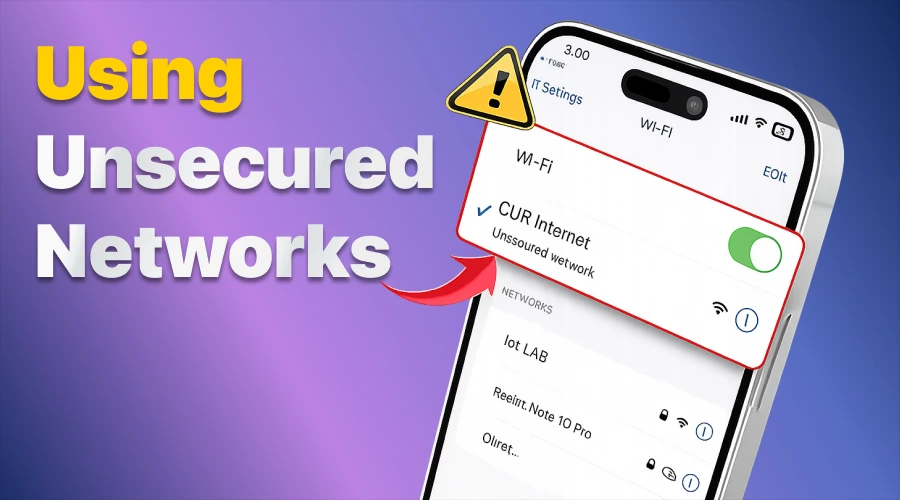
1. Using Unsecured Networks
More often than not, employees working from home use home Wi-Fi networks. This often brings severe challenges. In an office setting, companies usually maintain secure and monitored internet systems. However, personal routers often do not have strong passwords or updated security settings, which leads to cybersecurity challenges. Oftentimes people don’t even change the default passwords on their routers. Some keep using outdated firmware without even realizing it. This makes it easier for cyber crooks to break into the network and intercept sensitive information.
Besides that, employees using public Wi-Fi also create cybersecurity risks. Internet connections at public places, such as coffee shops, airports, hotels and so on are less secure. Using less secured connection again provides cyber crooks the opportunity to break into the network. Unsecured networks are easy to break into. Attackers can easily steal login credentials or monitor online activity through these networks.
2. Increased Phishing Attacks
Phishing remains one of the most common cybersecurity threats in remote work environments. Reports suggest that phishing accounts for roughly 54% to 80% of all cyberattacks and data breaches. It targets both remote and hybrid employees. Cybercriminals send fake emails, messages or links that look real to trick employees into sharing sensitive information.
Remote employees are easy targets because they often communicate through digital means. It becomes harder to verify whether a request is genuine or not. Attackers often pretend to be company executives, clients, or IT staff to pressure employees into taking quick action. Failing to recognize the warning signs can be dangerous and may lead to serious security breaches. Even experienced employees can fall victim to carefully designed phishing scams. That’s why awareness and training are important, as they help employees avoid falling victim to such scams.
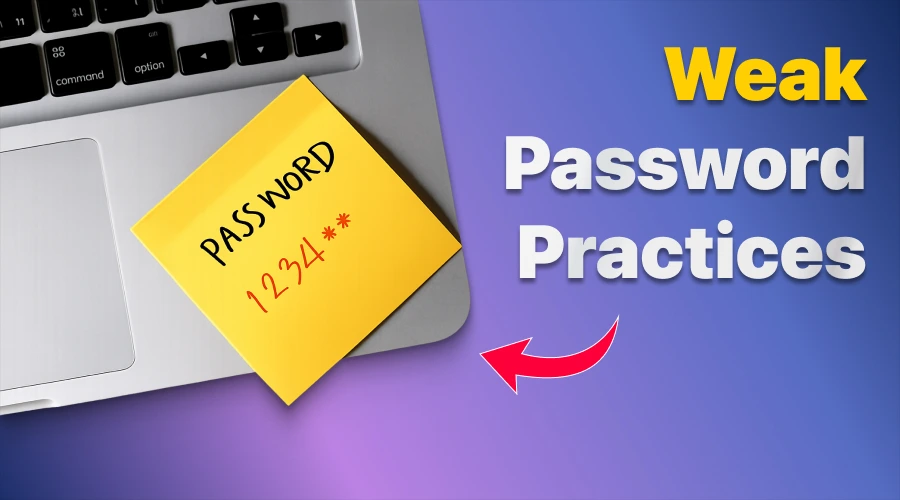
3. Weak Password Practices
Using weak passwords is yet another major issue. Many employees still use simple passwords. They do it because simple passwords are easy to remember. But they often forget that simple passwords are not just easy to remember, but also easy to guess. Moreover, using the same passwords across multiple accounts make it much easier for hackers to gain access to several systems at once.
In remote work environments, employees need to log into many platforms for their work-related things. In order to avoid forgetting passwords, some people choose simple passwords. This, in turn, increases the risk of unauthorized access.
Then, sharing passwords or login details via emails or messaging apps also increase cybersecurity risks. Of course, they do it because it is easier without realizing that it can bring cybersecurity challenges as well.
Using strong passwords and enabling multi-factor authentication become indispensable in such a situation. Enforcing strong password practices can greatly reduce cybersecurity risks in remote environments.
4. Frequent Use of Personal Devices
Remote employees frequently use personal laptops, smartphones and tablets for work-related tasks. They do this for convenience, but personal devices often do not have the same level of security as company-managed systems. Of course, not many employees follow cybersecurity practices, such as installing security updates regularly or using antivirus software.
In extreme cases, many employees don’t even realize that their devices may already have unsafe apps or malware downloaded from untrusted sources. All these together increase cybersecurity risk. When sensitive company information is accessed through a personal device, the chances of data leaks increase significantly. But the thing is – it is actually harder to separate personal and work-related systems in remote environments.
5. Ransomware Threats
Then there are ransomware attacks, which have become very common in remote work environments. In these attacks, hackers often lock or encrypt company data and demand money to restore access. Remote employees are often the target of such attacks. Cybercrooks use malicious email attachments, fake downloads or infected websites to target employees in remote work environments.
The worst part is – if ransomware enters a system, it spreads quickly across connected networks and cloud platforms. It can be deadly for businesses, leading to operational shutdowns, financial losses and damage to customer trust. In some cases, organizations are unable to recover important files even after paying the ransom. Regular data backups and employee awareness can significantly reduce the impact of ransomware attacks.
6. Poor Data Sharing Practices
Not following the right data sharing practices again create serious security risks. Remote teams often use online collaboration tools to share files and communicate. Of course, these platforms make it easier to communicate, but they also create security risks at the same time.
For instance, sending a confidential file or sharing sensitive document through unsecured channel can be a risky endeavour, especially if access permissions are not set correctly. This can lead to serious cybersecurity risks. Even cloud storage systems can become vulnerable if accounts are compromised. A small mistake can expose large amounts of business data. In such situations, companies should have clear rules for safe file sharing and secure teamwork to avoid accidental data leaks.
7. Challenges in Monitoring Security
In office environments, there are dedicated IT teams to monitor systems and network activity, which is not possible in remote work environments. In remote work environments, employees connect from different locations, devices and networks, making security monitoring more complex. It becomes harder for teams to detect suspicious activities. A compromised account or unusual login attempt can easily go unnoticed for longer periods, giving attackers more time to cause damage. To avoid this, companies need better visibility into remote systems.
8. Lack of Employee Cybersecurity Awareness
Preventing cyberattacks without employee awareness cannot be possible. Remote workers may unknowingly click suspicious links, download harmful files or ignore security updates. Organizations need to provide their employees enough training so that they can easily recognize online threats before it gets too late. Regular training can help employees identify common threats and understand safe online practices, significantly reducing the likelihood of successful attacks.
The Bottom Line…
So, these are the top 8 cybersecurity challenges in remote work environments. Undoubtedly, remote work offers flexibility and productivity benefits, but it also introduces serious cybersecurity challenges. Organizations should be aware of these challenges so that they can protect their business data and sensitive information from going into wrong hands. From phishing scams and ransomware attacks to weak passwords and unsecured home networks, there are numerous risks to be taken care of to operate successfully. Both technology and employee awareness play a crucial role in creating safer remote work environments. Strong security policies, regular software updates, secure communication tools and ongoing cybersecurity training can help businesses reduce vulnerabilities and protect their employees, customers and valuable data from emerging threats.