The Internet has become an integral part of modern times. We use the internet for almost everything, including shopping online, making payments, working from home, using social media handles, entertainment, sharing personal information through apps and websites and so on. In a way, the internet has made our life much easier than ever. However, it brings along some risks as well. Cybercriminals keep looking for opportunities to steal information, damage systems or misuse online accounts. That’s when cybersecurity comes in handy.
Cybersecurity is important for everyone who uses a phone or computer, not just large companies and governments. It protects sensitive information, devices, networks and accounts from unauthorized access. Since cybersecurity covers many areas, each one focuses on protecting a different part of our digital life. In this post, we will discuss everything about cybersecurity, including its different types. So, without any further ado, let’s get started…
What is Cyber Security?
Cybersecurity refers to the methods, technologies, tools, policies and practices used to protect computers, smartphones, networks, applications and digital information from cybercriminals. In simple terms, cybersecurity is a way to keep one’s digital information and systems safe.
Its cybersecurity that ensures all your online payments or banking accounts are protected from hackers. Cybersecurity helps companies protect customer information from theft. Security software on your laptop can also detect and block harmful programs.
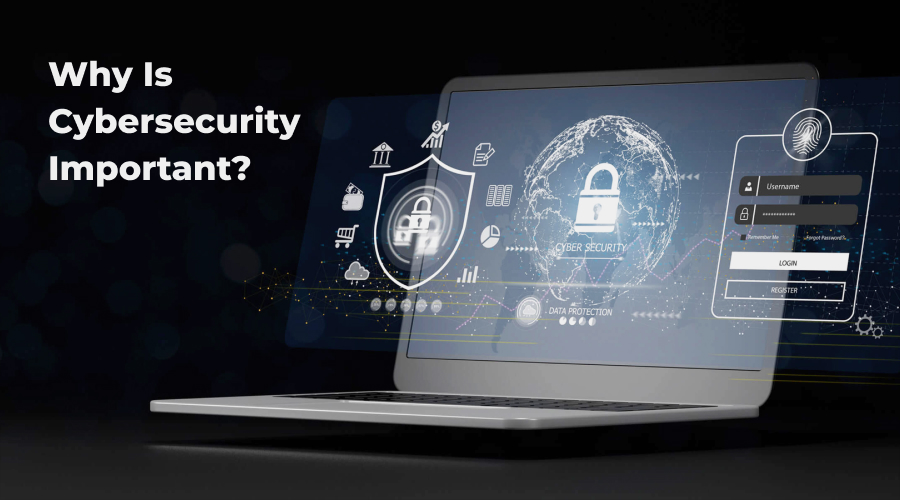
Why is Cybersecurity Important?
Cybersecurity is important because much of our personal and financial information is now stored online. Companies also store names, addresses, passwords, financial details, photos, documents and customer records digitally. Cybercriminals try to steal this information for their own benefit. Even with good security software, using the same password everywhere, clicking unknown links or sharing sensitive information can create security risks.
A cyberattack can result in:
Unauthorised access to accounts
Severe financial losses
Theft of personal or financial information
Loss of important files
Damage to a company’s reputation
Disruption of business operations
Exposure of customer information
Loss of privacy, and so on.
As technology changes, cybercriminals also find new ways to attack. Some use harmful software, while others trick people into sharing passwords or clicking unsafe links. Because of this, it becomes extremely crucial for users (both individuals and businesses) to stay aware of common threats and follow basic cybersecurity practices to protect their information and devices. Read ahead for the different types of cybersecurity. Here we go…
Types of Cybersecurity
There are several types of cybersecurity, and each one protects a different area. Here are some of the most important types. Take a look…
1. Network Security
Network security, as the name says, is the type of cybersecurity that protects the systems and connections that allow computers and devices to communicate with each other. This type of cybersecurity is mainly used by businesses, schools, colleges and other organisations. This is because they have large networks connecting computers, servers, printers, phones and other devices.
If one system is attacked, other connected systems may also be at risk. Attackers can use this access to steal sensitive information or disrupt other systems. Network security uses tools and practices such as firewalls, access controls and network monitoring to help prevent unauthorised access. These tools create a barrier between a trusted network and potentially dangerous internet traffic. Their job is to block suspicious connections and prevent them from reaching internal systems.
2. Application Security
Application security focuses on protecting software and applications from different types of threats. Most people use several applications every day. Apps downloaded from trusted platforms are generally safer. However, third-party applications can pose risks as they sometimes contain harmful software, security flaws or hidden threats that can put personal information at risk.
Developers don’t wait for the application completion. They now integrate security features while the application is being developed. Moreover, they keep releasing software updates and security features even after the app has been released. Developers test applications for weaknesses, fix security problems and provide updates when necessary. All this is to ensure that the application that people use is safe and can securely handle sensitive information, including payment details and personal data.
3. Information Security
Information is an integral part of modern businesses. Companies rely on information to manage their operations, serve customers, make decisions and plan for the future. Protecting this information from theft, loss or unauthorised access is therefore essential. That’s when Information Security comes in handy. It mainly focuses on protecting information from being accessed, changed or destroyed by cyber crooks.
The information could be stored on a computer, server, smartphone or cloud platform. It could also be printed on paper. Information Security features mainly ensure that the information can only be accessed by the right people and is completely protected from unauthorised users. Identity and Access Management (IAM) also helps organisations control who can access specific systems, applications and information based on their roles and permissions. That’s the reason many companies restrict access to employee records only to the concerned persons and not to everyone.
Since most of the data today is stored on cloud, securing it becomes more crucial than ever. Businesses use cloud for storing sensitive business information, while individuals use cloud platforms to store photographs, documents, business information and other files. Cloud security focuses on protecting data, applications and services hosted in cloud environments.
Cloud Security controls who can access cloud accounts, protects stored information from online criminals and monitors unusual activity. Businesses that depend heavily on online services opt for cloud security to protect their cloud accounts from data theft, unauthorised access, malware and other online threats.
5. Endpoint Security
Another cybersecurity includes Endpoint security. An endpoint is a device that connects to a network, such as laptops, desktop computers, smartphones and tablets. Endpoint security protects these devices from cyber threats such as malware, unauthorised access and suspicious activity.
Businesses opt for Endpoint security measures as their employees often connect to company systems from different locations and devices. Endpoint management plays an important role in this process by helping organisations monitor, manage and secure connected devices from a centralised system. This includes making sure that all software and tools are updated, using security tools and controlling which devices can access company systems. In this, they make sure that all their software and tools are updated, they use security tools and control which devices can access company systems and so on.
6. Mobile Security
Smartphones have become an important part of everyday life. Almost every person now uses smartphones for several purposes, including shopping, making payments, banking, sharing information and so on. Hence, protecting them becomes imperative in this era. That’s when mobile security comes into play.
Mobile security focuses on protecting smartphones and tablets from online threats. These threats often include harmful apps, data theft, unsafe networks and unauthorised access. Using a screen lock, installing apps only from trusted sources, reviewing app permissions, keeping the operating system updated and avoiding suspicious links are part of mobile security.
7. Internet of Things Security
The Internet of Things, also known as IoT, is now a common part of everyday life. It mainly refers to everyday devices that connect to the internet, such as smart TVs, smart watches, home appliances, home assistants, security systems and so on. A poorly protected system can become an entry point into a wider network. That’s when the Internet of Things security comes in handy.
Connected devices can sometimes become easy targets for cybercriminals. However, with IoT security these risks can be eliminated tremendously. Internet of Things security protects connected devices, changes default passwords, install updates and control which devices can connect to a network.
8. Operational Security
Operational security involves preventing all organizational operations from online criminals. It focuses on how an organisation protects its information and systems during everyday activities. This usually includes controlling access to sensitive organizational information, storing data securely and allowing employees to access only the information and systems they need for their work.
This gives organizations the freedom to allow only certain employees downloading or using customer information. Organizations can even decide how files should be shared or stored. Having robust operational security is crucial for businesses and organizations. It helps reduce risks caused by both external attacks and internal mistakes.
9. Email Security
Email is still one of the most common ways to communicate and is also a common way for cybercriminals to target people. More often than not, cyber crooks send emails pretending to be from banks, delivery companies or maybe from close friends or business associates. These messages often contain dangerous links or attachments. They are specifically designed to steal information or install harmful software.
That’s when email security becomes crucial, especially for businesses and individuals who rely heavily on emails. Email security tools help identify suspicious messages. However, that’s not just enough. Even users should be careful and mindful. They must always check the sender’s correct details before clicking a link or opening an attachment. They must be especially cautious when an email creates urgency or asks for passwords, payment or other sensitive information.
10. Critical Infrastructure Security
Last but not least is Critical Infrastructure Security. Critical Infrastructure Security refers to practices used for protecting the systems and services that people and businesses depend on every day. These systems include electricity, water supply, transportation, hospitals, banking and communication networks.
Modern infrastructure systems use computers and connected networks. These computers and connected networks can easily be targeted by cybercriminals. Critical Infrastructure security features help prevent attacks, protect important information and keep these essential services running safely and smoothly.
Let’s now take a look at some of the most common cybersecurity threats. Here we go….
Common Cybersecurity Threats
Here are some of the most common cybersecurity threats that you must be aware of. Knowing these threats can help you be more careful and cautious while using internet. Take a look…
Phishing: Phishing attacks are very common these days. Criminals using fake emails, messages or websites to trick people into sharing information is known as Phishing.
Malware: Malware is harmful software designed to steal information, gain unauthorised access or damage systems.
Ransomware: Ransomware is again harmful. They are a type of malware designed to lock or encrypt files and demand money from the victim.
Password Attacks: These usually include guessing, stealing or obtaining users password to steal information or demand money.
Social Engineering: Social engineering mainly involves tricking people into sharing information or taking actions that can put their security at risk.
These threats are harmful and can affect both individuals and organisations. Therefore, it is crucial for users to be mindful of every message and email they click.
Tips To Improve Your Cybersecurity
Having robust cybersecurity policies, tools and practices in place is a need of this hour. More often than not, users believe that good cybersecurity requires expensive software but that’s not how it is. Some simple habits can make a significant difference. These habits include:
Using a strong and unique password. Make sure you have strong and unique passwords set for all your important accounts.
Avoiding the same password everywhere. No two accounts should have the same password as it becomes easier for cybercriminals to crack them. Pro Tip: Use a password manager to create and store different passwords.
Enabling two-factor or multi-factor authentication. Make sure two-factor or multi-factor authentication is turned on wherever it is possible. This provides your accounts layered protection.
Keeping your devices updated. Make sure all your devices, including smartphones, computer, smartwatches, applications and security software are updated. Updates often include fixes for known security problems.
Being mindful of unexpected emails, messages and links. Do not open an attachment or click a link without checking the sender’s authenticity. If someone asks you to provide sensitive information urgently, verify the request through another method.
Keeping backups of important data. Make sure all your important files or documents are backed up regularly and stored in a safe location so you can recover them if they are lost, damaged or deleted.
Being aware of common online threats or scams. Using strong passwords and avoiding unknown attachments is not enough. You should also know about common online threats so you can spot them and stay safe.
The Bottom Line
So, this is all about cybersecurity and its different types. Cybersecurity has become an essential part of modern life. It ensures all your personal details and business information is safe from cybercriminals. Whether you are a startup, a large organization or an individual, cybersecurity is a MUST for all. It helps keep digital information and services safe. Understand that there is no single type of cybersecurity that can protect everything. Each one is designed to protect different areas and together they can ensure stronger protection. Users should be mindful and focus on following basic cybersecurity habits, such as using strong passwords, enabling two-factor authentication, keeping devices updated, avoiding suspicious links and backing up important information. Doing so will ensure their online safety and strong protection.