In a fast-moving digital world, users expect reliable software and businesses expect it yesterday. But ensuring quality while delivering updates quickly is one of the toughest challenges modern development teams face. That is where automated quality assurance comes in especially when paired with CI/CD (Continuous Integration and Continuous Deployment/Delivery) a methodology that automates the steps from writing code to releasing it backed by tests.
In this article, we will explore why testing and quality assurance need automation, how it works, what types of tests matter most and how your business with help from partners like Weetech can build more reliable applications with greater speed and confidence.
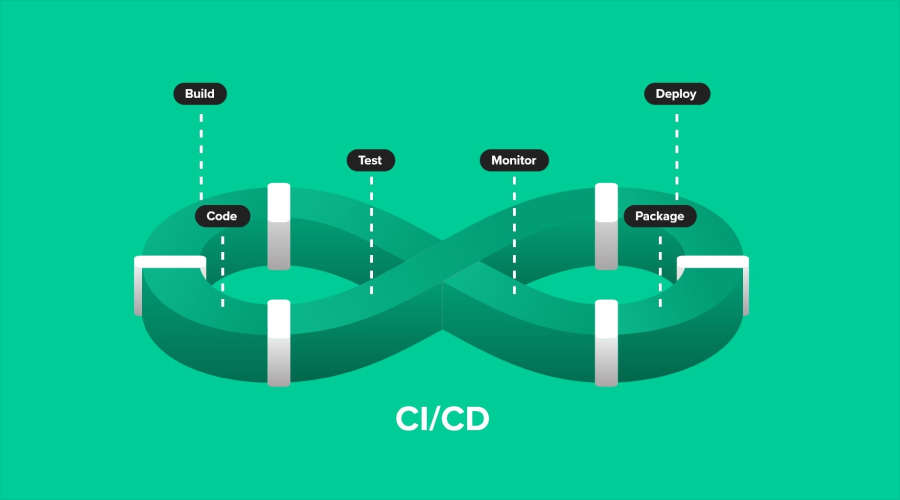
At its core, It automates software development workflows to make them reliable, repeatable and fast:
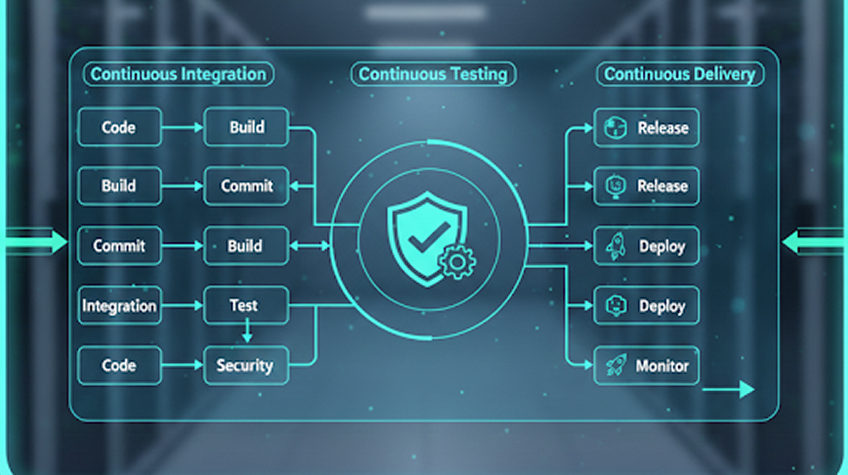
Continuous Integration (CI) means developers merge code changes often even multiple times per day and those changes trigger automated builds and tests. This ensures new code plays nicely with existing code.
Continuous Deployment (CD) or Continuous Delivery takes successful builds and automatically pushes them into testing environments and (in some cases) production so the software can be released quickly and safely.
Think of this as an assembly line for software where automated checks ensure every change meets quality standards before moving forward. This reduces delays, prevents surprises and makes releases smoother and more predictable.
Why CI/CD Matters for Quality Assurance
Traditional development often involved cycles of coding,manual testing and delayed feedback. That leads to late discovery of bugs, longer release cycles and stressed-out teams. In contrast, automated pipelines change the game:
➢Faster Feedback & Early Bug Detection
Whenever a developer pushes code, automated tests run immediately. If something breaks the team knows right away saving time and preventing bugs from building up. This early feedback loop is one of the biggest quality levers in modern development.
➢Better Test Coverage
Automated testing lets teams run broad test suites from simple unit checks to more complex UI scenarios across different environments. This means fewer surprises in production and more confidence in every release.
➢Faster Delivery Without Quality Trade-Offs
Outlets teams deliver more features with higher quality because tests run automatically with every change. This accelerated time-to-market is important for staying competitive.
➢Improved Collaboration
CI/CD practices blur the traditional lines between developers, testers and operations teams promoting a shared mindset of quality, responsibility and continuous improvement.
How Automated Testing Fits Inside CI/CD
This makes CI/CD quality-driven instead of just automated building and deploying. Without testing, faster deployments might just push more bugs live faster. The magic happens when tests run before code moves forward.
Here are common types of automated tests integrated into a CI/CD pipeline:
Unit Testing: These tests validate individual functions or components in isolation. They run very fast and catch basic coding issues early.
Integration Testing: These tests check how different parts of the system interact, ensuring modules work well together.
Functional Testing: It validates that the application behaves as expected from an end-user perspective.
API Testing: These tests make sure backend services and interfaces respond correctly under different conditions.
UI/End-to-End Testing: Emulates real user scenarios in the interface to find issues that only surface as parts of the system work together.
Performance & Security Testing: Optional but powerful automated performance tests check load and response times and security tests scan for vulnerabilities.
By running these tests automatically with each code change, teams ensure that issues are found earlier and cheaper long before users experience them.
Building a CI/CD Pipeline: Step-by-Step
This typical pipeline involves several stages. Imagine it as a well-orchestrated concert each step plays its part to make sure the final release is in tune:
1. Code Integration
Developers commit changes to a shared repository. The CI system automatically triggers a new pipeline run.
2. Build
The system compiles the code, resolves dependencies and prepares a deployable artifact.
3. Automated Tests Run
This is where quality assurance truly kicks in:
Unit tests
Integration tests
UI and functional tests
Security and performance checks (if configured)
4. Feedback Loop
Developers and QA get quick alerts if tests fail or succeed enabling fast fixes.
5. Deployment
If all tests pass, the pipeline deploys to staging and possibly to production with approval gates if configured. Together, this sequence forms a continuous quality loop, tests ensure stability, automation reduces delays and teams can confidently deliver updates faster than ever.
The Business Impact of Automating QA With CI/CD
When QA becomes automated and built into it companies start seeing real strategic value:
Shorter Time-to-Market: Automated testing and deployment reduce manual bottlenecks and help teams deliver updates more frequently.
Consistent Quality: Every change is validated against the same rigorous suite of tests leading to more reliable software.
Improved Team Efficiency: Developers and QA engineers spend less time on repetitive tasks and more on innovative work.
Reduced Risk of Failures: Automation catches regressions, bugs and integration issues early, lowering the chances of post-release problems.
Continuous Improvement Culture: It encourages iterative improvements, small, regular changes that accumulate into meaningful progress.
These benefits make automated QA more than a technical upgrade, it is a strategic advantage for delivering better software and delighting customers.
Best Practices for Effective CI/CD & Testing
If your team is thinking about adopting orimproving CI/CD with automated testing. Here are a few practical tips:
Start Small Then Scale: Begin with key tests like unit and smoke tests before adding complex UI or performance tests.
Keep Tests Fast: Fast tests mean more frequent feedback to avoid slow, unreliable tests that drag down pipelines.
Run Tests in Parallel: Where possible, configure your pipeline to run tests across multiple environments or test suites at the same time to reduce waiting time.
Version Control Tests Too: Keep your test scripts in the same version control system as your code so they evolve together.
Monitor & Report KPIs: Track test results, failure rates and build times to identify bottlenecks and areas for improvement.
By wrapping quality assurance into your workflow wisely and thoughtfully, you turn QA into a predictable, measurable part of development rather than a last-minute hurdle.
How Weetech Supports Your QA Automation Journey
CI/CD and automated QA are powerful but they can be complex to set up especially for teams new to DevOps practices. Weetech specializes in helping businesses adopt automation with clarity and confidence:
1. Custom CI/CD Pipeline Design
Weetech helps design pipelines that fit your teams workflow whether you are using GitHub Actions, Jenkins, GitLab or another platform.
2. Test Automation Integration
From unit and integration tests to end-to-end testing suites, Weetech ensures your automation setup is robust and scalable.
3. DevOps & QA Strategy Consulting
Our experts work alongside your team to shape QA automation best practices, reduce manual effort and deliver higher quality faster.
4. Continuous Monitoring & Optimization
After setup, Weetech continues to help teams refine their pipelines, analyze KPI trends and improve accuracy and speed. With Weetech’s support, your team does not just adopt CI/CD it masters quality automation that empowers faster releases and better software.
Final Thoughts
Automating quality assurance with CI/CD is not just about tools, it is a mindset shift. It moves development teams toward collaboration, continuous improvement and proactive quality checks instead of reactive bug fixes.
By embedding automated testing into every step of the pipeline, you build confidence in your releases, shorten time-to-market and create space for innovation rather than firefighting. And with partners like Weetech helping you design, build and optimize these practices, your software delivery process becomes more efficient, predictable and high-quality software for today’s competitive market.
Yagnik Khunt
Yagnik Khunt is a multifaceted expert specializing in SEO, Mobile App Development, Web Development, DevOps Architecture and Cloud Services. With a diverse skill set and a passion for innovation, Yagnik, CTO at WeeTech Solution Pvt Ltd, excels at crafting scalable solutions that align with business goals. His expertise spans the entire development lifecycle, from designing intuitive user experiences to ensuring robust testing and deployment processes. Known for his strategic approach and technical prowess, Yagnik continues to drive success in modern digital ecosystems.